TL;DR
Soap and water are the single most effective tools for preventing life-threatening infections in any emergency scenario—and if commercial soap runs out, you can make it from animal fat and wood ash lye in under an hour using techniques unchanged since the 18th century.
Why Hygiene Fails First in a Disaster
When grid power goes down, supply chains break, or a natural disaster forces people into improvised camps, infectious disease—not the disaster itself—becomes the leading cause of preventable death. The CDC has documented this pattern repeatedly: after Hurricane Katrina in August 2005, gastrointestinal illness and wound infections spiked within days at evacuation shelters. After the 2010 Haiti earthquake, a cholera outbreak killed more than 10,000 people over the following years, driven primarily by contaminated water and a breakdown in basic sanitation.
The common thread in every post-disaster outbreak investigation is the same: the absence of a simple soap-and-water handwashing routine.
According to research compiled at PrepForSHTF.com in their detailed guide Personal Hygiene and Camp Sanitation in a Survival Situation, maintaining a consistent personal hygiene regimen—including regular handwashing, wound care, and dental hygiene—is one of the highest-leverage actions any prepper can take. The guide notes that in a long-term grid-down or wilderness survival situation, infections that would ordinarily be treated with antibiotics can become fatal if hygiene is neglected from the start.
How Soap Actually Works
Soap is not magic—it is chemistry. Soap molecules are amphiphilic: one end of each molecule is attracted to water (hydrophilic), and the other end is attracted to oils and fats (hydrophobic). When you wash your hands, soap molecules surround droplets of grease and oil—along with any bacteria and viruses clinging to them—and lift them off your skin so water can rinse them away.
This mechanism is why soap is more effective than water alone, and why alcohol-based sanitizers, though useful, do not remove dirt and debris the way soap does. For preppers dealing with wound care, food preparation, or tool maintenance in the field, physical removal of contaminants via soap-and-water washing is irreplaceable.
Making Soap From Scratch: What You Need
If your stored soap supply runs out, you can produce functional lye soap using materials available in most survival environments. This is not a lost art—it is a straightforward chemical process that colonial American households performed routinely.
The Survival Wiki at CivilizationRebuild.com provides a thorough breakdown in Soap Making Basics, covering the three-ingredient formula that has underpinned soap production for centuries.
Core Ingredients
- Fat or oil — Rendered animal fat (tallow from beef or lard from pork) works best. Vegetable oils such as coconut oil or olive oil are viable alternatives.
- Lye (alkali) — Sodium hydroxide (NaOH) for hard bar soap; potassium hydroxide (KOH) for soft or liquid soap. In a wilderness setting, lye can be leached from wood ash.
- Water — Soft water (rainwater or distilled water) is preferred; hard tap water can interfere with saponification.
Producing Lye From Wood Ash
- Burn hardwoods (oak, hickory, or maple) to produce ash—softwoods yield weaker lye.
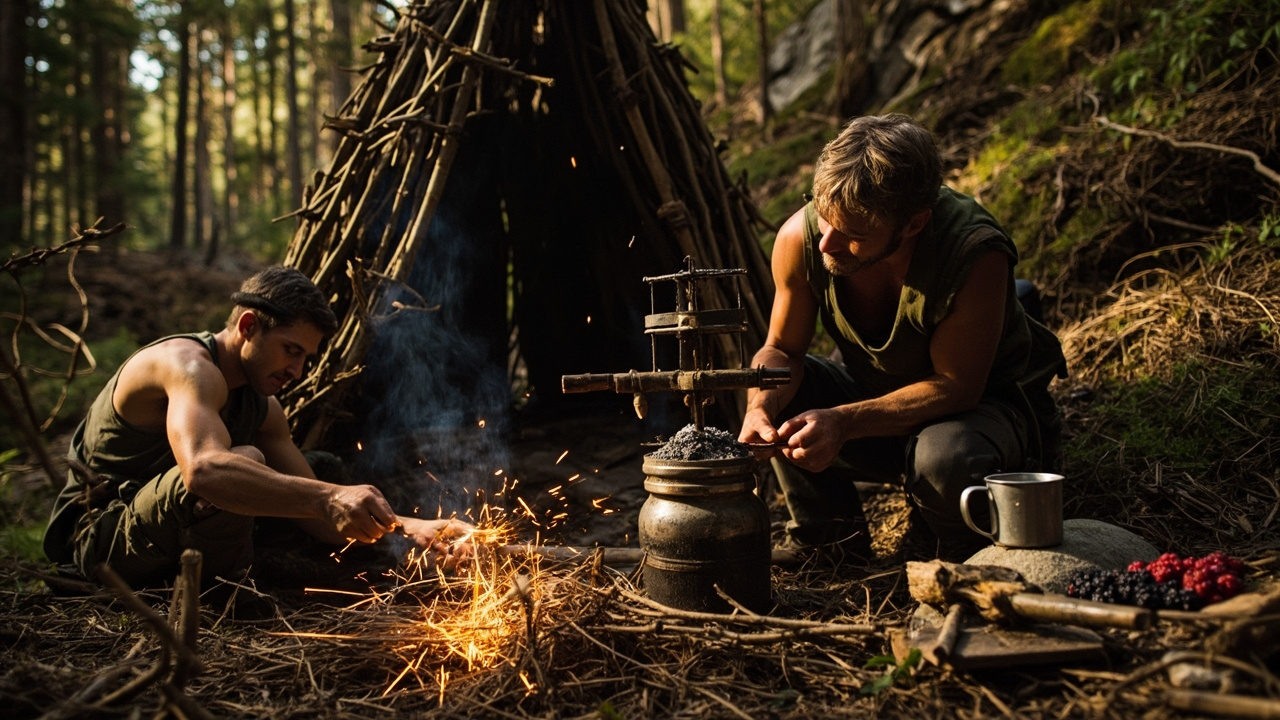
- Pack ash into a barrel or bucket with a small hole at the bottom.
- Pour rainwater slowly over the ash and collect the liquid that drips out—this is a potassium hydroxide solution.
- Test lye strength: a raw egg or a small potato should float with roughly a quarter-sized area above the surface. If it sinks, boil the lye down further. If it floats too high, dilute with water.
Step-by-Step Soap Making
- Safety first. Lye is caustic—wear gloves and eye protection. Never use aluminum containers; use stainless steel, cast iron, or heat-safe plastic.
- Render the fat. Melt animal fat over low heat, strain out solids, and let it cool to around 110°F (43°C).
- Prepare lye solution. Add lye slowly to water (never water to lye—this causes violent splashing). The mixture will heat rapidly. Let it cool to around 110°F.
- Combine. Pour the lye solution slowly into the fat while stirring constantly.
- Stir to trace. Continue stirring until the mixture thickens to a pudding-like consistency—this is called "trace" and indicates saponification has begun.
- Add scent or additives (optional): dried herbs, pine tar for antimicrobial properties, or wood ash for a gentle exfoliant.
- Mold and cure. Pour into molds (log sections, wooden boxes lined with cloth). Cover and insulate for 24–48 hours. Unmold, cut into bars, and cure for 4–6 weeks before use to allow saponification to complete and pH to drop to skin-safe levels.
As noted in the Soap Making Basics guide on CivilizationRebuild.com, the curing step is non-negotiable: uncured lye soap retains a dangerously high pH and will cause chemical burns on skin.
Natural Field Alternatives When You Have No Supplies
In a short-term scenario where you cannot wait weeks for soap to cure, several plants provide natural saponins—compounds that lather in water and have mild cleansing properties:
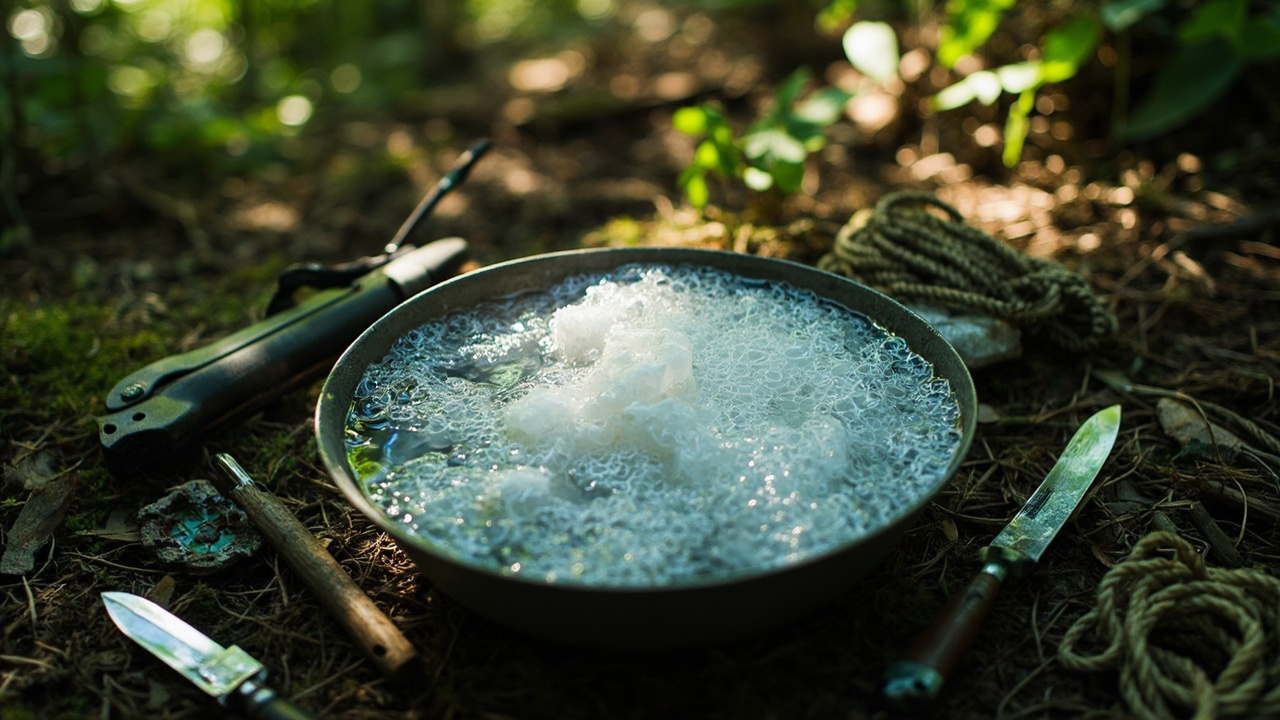
- Yucca root (common across the American Southwest and Great Plains): Crush or bruise the root and agitate in water to produce lather.
- Soapwort (Saponaria officinalis): A widespread wildflower whose leaves and roots produce a gentle lather effective for wound washing.
- Soapberries / Soapnuts (Sapindus species): The fruit husks contain saponin-rich compounds used for millennia across South Asia and the Americas.
These alternatives will not match commercial soap's antibacterial efficacy, but they are far superior to water alone for removing oils and debris from wounds or hands before eating.
Water Management: Protecting Sources and Conserving Supply
Soap is only as useful as the water you pair it with. In a survival or disaster scenario, water discipline is as important as soap production.
Gray Water Disposal
Soapy wastewater—called gray water—contains surfactants that disrupt the cell membranes of aquatic organisms and can deplete oxygen in waterways. When camping or sheltering in the wilderness:
- Dig a gray water pit at least 200 feet (61 meters) from any stream, lake, or spring.
- The pit should be 6–8 inches deep, filled with gravel or sand to filter the water as it disperses into soil.
- Scatter gray water over a wide area rather than dumping it in one spot to allow soil microbes to break down surfactants.
Conserving Water for Washing
In a water-scarce emergency, the PrepForSHTF.com guide Personal Hygiene and Camp Sanitation in a Survival Situation recommends a tiered approach to preserving both health and water supply:
- Prioritize hand hygiene over full-body washing—hands are the primary infection transmission vector.
- Use sponge baths with a small damp cloth to clean armpits, groin, and feet—the highest-risk areas for bacterial growth.
- Reuse gray water for mulching or flushing latrines where possible.
- Collect dew and rainwater specifically for hygiene use, separate from drinking water supplies.
Building a Hygiene Kit for Your Go-Bag
Every emergency kit should include a dedicated hygiene module. The CDC recommends maintaining at minimum a two-week supply for household emergencies. A practical field hygiene kit includes:
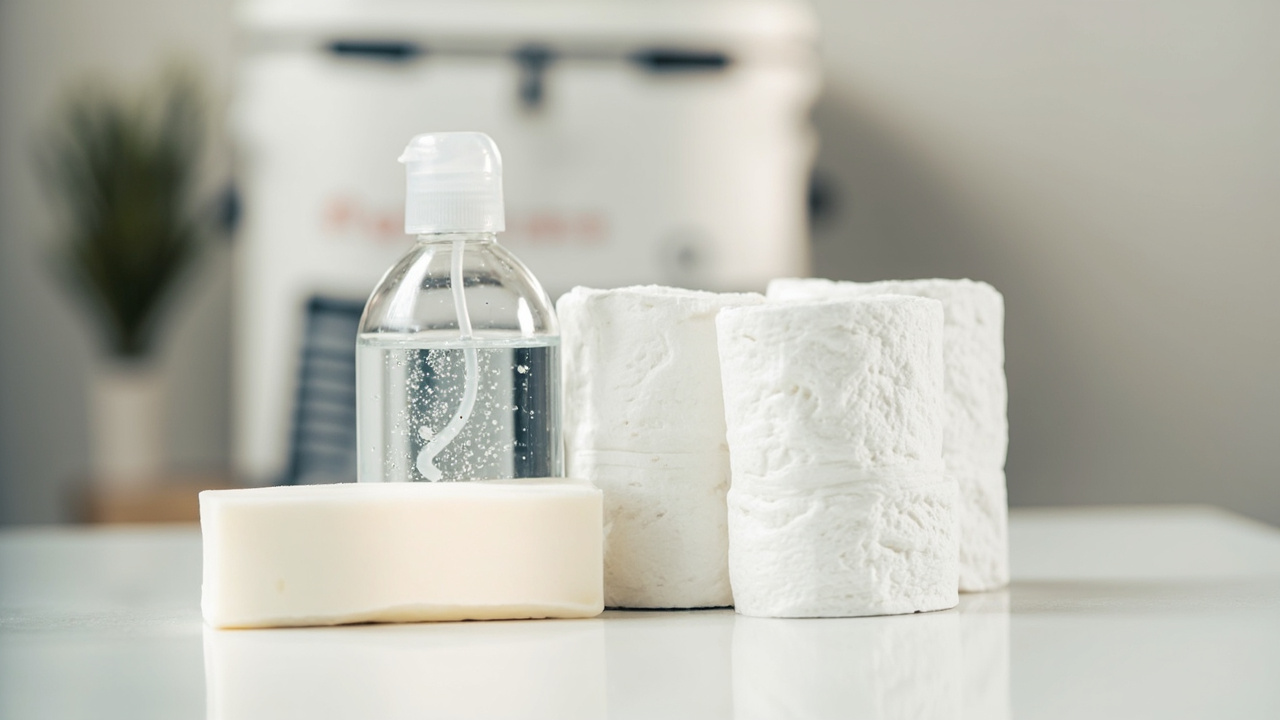
- 4–6 bars of unscented castile or glycerin soap (stored in a sealed bag; soap bars last 2–3 years)
- Sodium hydroxide flakes (for soap making; stored in a sealed, moisture-proof container)
- Nitrile gloves (10 pairs minimum)
- Portable water filter (e.g., Sawyer Squeeze or LifeStraw) for ensuring clean washing water
- Small trowel for digging gray water pits
- Biodegradable camp soap (Dr. Bronner's is a widely trusted option) as a transitional supply
The CDC advises that preppers store at least one gallon of water per person per day for drinking and sanitation combined—meaning a family of four needs a minimum of 56 gallons for a two-week emergency window.
The Bottom Line
In any emergency lasting more than 72 hours, hygiene becomes a survival skill on par with fire-making or water procurement. Soap—whether commercially stored, homemade from fat and ash lye, or sourced from wild plants—is the cornerstone of that hygiene. As documented by PrepForSHTF.com's Personal Hygiene and Camp Sanitation in a Survival Situation, the preppers who come through extended emergencies healthiest are those who treat hygiene as a daily non-negotiable, not an afterthought.
Learn the soap-making process before you need it. Practice water discipline now. Stock your kit before the next emergency makes resupply impossible.