Hygiene and Daily Routines Are Documented Life-Saving Survival Skills
TL;DR: According to the CDC and WHO, maintaining basic personal hygiene—handwashing, waste disposal, and daily self-care routines—is one of the most effective and underrated strategies for surviving a disaster.
When most people think about emergency preparedness, they picture stockpiled water, go-bags, and backup generators. What rarely makes the list: a bar of soap, a written daily schedule, and a notebook to track whether you brushed your teeth. That omission can be deadly. The CDC's Guidelines for Personal Hygiene During an Emergency state plainly that personal hygiene practices directly influence health outcomes in a crisis—and that the diseases most likely to spike after a disaster are preventable through basic sanitation.
This isn't soft advice. It's epidemiology.
What the Evidence Actually Says
CDC: Hygiene Prevents the Deadliest Post-Disaster Diseases
The Centers for Disease Control and Prevention published specific emergency hygiene guidelines that identify handwashing, body cleanliness, and proper waste disposal as the front line of defense against gastrointestinal illness, skin infections, and respiratory disease in disaster settings. According to the CDC, the disruption of normal water and sanitation infrastructure during events like floods, hurricanes, and earthquakes creates conditions where pathogens spread rapidly through human contact and contaminated surfaces.
The CDC's guidance—updated and maintained at cdc.gov/water-emergency/safety/guidelines-for-personal-hygiene-during-an-emergency.html—lists the following as non-negotiable priorities:
- Hand hygiene: Wash hands with soap and clean water before eating, after using the toilet, and after contact with flood water or debris.
- Body hygiene: Bathe regularly even with limited water; use hand sanitizer or wet wipes as backup.
- Oral hygiene: Brush teeth with safe water to prevent infection vectors through the mouth.
- Wound care: Clean and cover any cuts immediately—post-disaster environments expose wounds to bacteria that cause rapid infection.
- Waste disposal: Establish a sanitation system immediately; improper human waste disposal is a leading cause of cholera and typhoid after floods.
These aren't wellness tips. They are the same protocols emergency medical responders use in field conditions.
WHO: WASH Is Central to Emergency Response
The World Health Organization makes the same case at a global policy level. The WHO's program on Investing in WASH as a core element of health emergency preparedness, response and recovery argues that Water, Sanitation, and Hygiene (WASH) infrastructure is not a secondary concern in a crisis—it is a primary one. The WHO frames WASH preparedness as essential for preventing disease outbreaks that can kill more people than the disaster itself.
Historically, this claim is well-supported. After the 2010 Haiti earthquake, a cholera outbreak that began due to contaminated water and poor sanitation killed over 10,000 people and infected approximately 820,000—far exceeding casualties directly attributable to the earthquake in the years that followed. The WHO and CDC both cited inadequate WASH infrastructure as the root cause.
The Role of Daily Routines in Disaster Resilience
Routines Preserve Mental Health Under Stress
Beyond the physical health argument, structured daily routines are increasingly recognized by disaster psychologists as a critical mental health tool. When chaos disrupts your external environment, familiar internal rituals—waking at the same time, preparing food, maintaining grooming habits—provide what psychologists call "behavioral anchors." These anchors reduce the cognitive load of decision-making under stress, preserve a sense of agency, and lower cortisol levels.
FEMA's community preparedness resources and organizations like Be Ready Utah have incorporated this understanding into their guidance. Be Ready Utah's hygiene and sanitation preparedness materials note that maintaining routine hygiene practices in group shelter settings also reduces interpersonal conflict and illness transmission simultaneously—a double benefit that is easy to overlook but significant in practice.
Why Preppers Undervalue Routines
The emergency preparedness community tends to optimize for dramatic scenarios: grid-down events, bug-out situations, civil unrest. The gear and food supply conversations dominate because they feel tactical. Hygiene and routine feel domestic—even embarrassing to discuss in a community that prizes ruggedness.
This is a cultural blind spot. The most likely emergencies the average American will face—a week-long power outage, a flood evacuation, a prolonged illness in the household—are precisely the scenarios where hygiene and routine maintenance determine whether a bad situation stays manageable or deteriorates. A family that maintains handwashing discipline during a two-week shelter-in-place avoids the stomach illness that would exhaust their water supply, deplete their medications, and compromise their ability to function.
The Dark Notebook Method: Tracking What You Practice
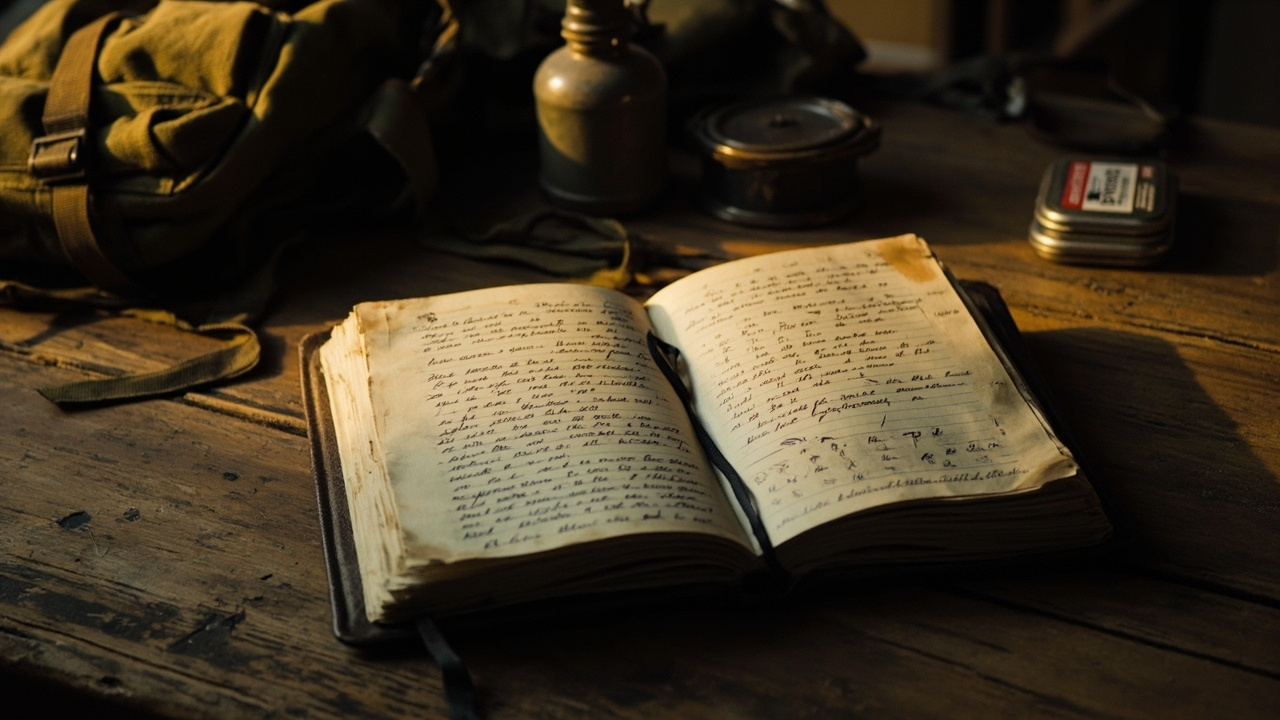
One concrete tool that experienced preppers quietly rely on is a physical notebook—specifically a dark-covered, durable journal kept with emergency supplies—for logging daily routines and hygiene practices. The purpose is threefold:
1. Accountability in high-stress conditions. When cognitive function is impaired by stress, sleep disruption, or trauma, a written checklist prevents the kind of hygiene drift that leads to infection. You don't have to remember whether you washed your hands after handling debris; your log tells you.
2. Pattern recognition over time. A written record allows you to identify when your routines begin to slip—a leading indicator of morale decline and physical health deterioration that is otherwise invisible until it becomes acute.
3. Psychological reinforcement. Checking off completed routines—shower taken, water purified, medication administered, journal entry written—creates a documented record of competence. In environments where everything feels out of control, this tangible evidence that you are functioning effectively has measurable psychological benefit.
Germany's Federal Office of Civil Protection and Disaster Assistance (BBK) explicitly includes hygiene planning in its personal preparedness guidance. The BBK's English-language hygiene preparedness page recommends stockpiling hygiene supplies with the same rigor applied to food and water, and suggests that households establish written hygiene protocols before a crisis rather than improvising under pressure—exactly the notebook approach applied at the household planning level.
Building Hygiene Into Your Emergency Plan: Practical Steps
Supplies to Stock
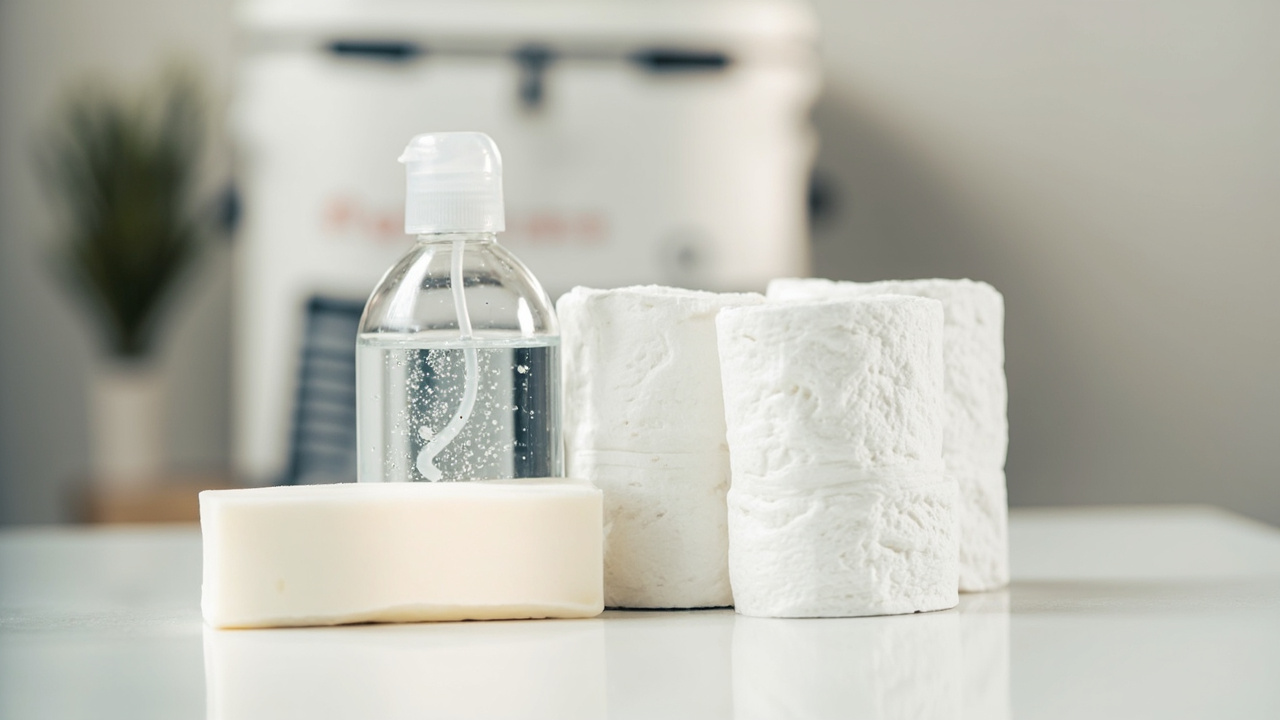
- Soap (bar soap stores longer than liquid)
- Hand sanitizer (60%+ alcohol)
- Wet wipes (unscented, antibacterial)
- Toothbrushes and toothpaste
- Feminine hygiene products
- Toilet paper and waste disposal bags
- Bleach (unscented, for water purification and surface disinfection)
- Latex or nitrile gloves
FEMA recommends a minimum 72-hour supply of hygiene items per person; most preparedness experts now advocate for a 2-week supply given the response times seen during recent major disasters including Hurricane Katrina (2005) and Hurricane Maria (2017).
Routines to Write Down Now
Create a one-page daily hygiene and routine checklist before you need it. Include:
- Morning and evening handwashing
- Wound inspection and care protocol
- Water purification log
- Medication tracking
- Waste disposal check
- Mental health check-in (one sentence in a journal is sufficient)
Keep this checklist in your go-bag or emergency binder alongside your dark notebook. Laminate the checklist page so it survives water exposure.
Celebrate the Ordinary—Because It's Anything But
There is a growing movement within the preparedness community to reframe "basic" survival skills as the advanced skills they actually are. Maintaining hygiene for 14 consecutive days after a flood, while displaced, with limited water and high stress, is not trivial. It requires discipline, planning, and supplies secured in advance.
The same is true in everyday life. Consistently maintaining hygiene routines, tracking them, and acknowledging when you've done it well—these habits are the behavioral rehearsal for crisis competence. You are not being mundane. You are practicing.
As the CDC's guidance makes clear, and as the WHO's WASH investment framework confirms, these are the skills that keep people alive when infrastructure fails. They deserve recognition in every emergency plan—and in every dark notebook kept on the shelf beside the flashlight.
Sources cited in this article: CDC Guidelines for Personal Hygiene During an Emergency; WHO: Investing in WASH as a core element of health emergency preparedness, response and recovery; Be Ready Utah: Hygiene & Sanitation; BBK: Hygiene in times of need.