ReBlade: The Death Spiral — What Preppers Can Learn From Cyberpunk Survival Gaming
TL;DR: ReBlade: The Death Spiral, the 2026 PC action roguelike from ChillyRoom and Spiral Up Games, is built on a single premise — your skills, not your gear, determine whether you survive. That principle translates directly into real-world emergency preparedness doctrine.
The game's reveal trailer dropped in early 2025, and the response was immediate. Thousands of players wishlisted the title on Steam within days, drawn to its neon-soaked dystopian city, isometric fast-paced combat, and a core loop that punishes passivity and rewards mastery. As covered by OpenCritic, ReBlade is "a stylish cyberpunk action game worth watching" — but for preppers, it's more than entertainment. It's a thought experiment about what survival under pressure actually demands.
What Is ReBlade: The Death Spiral?
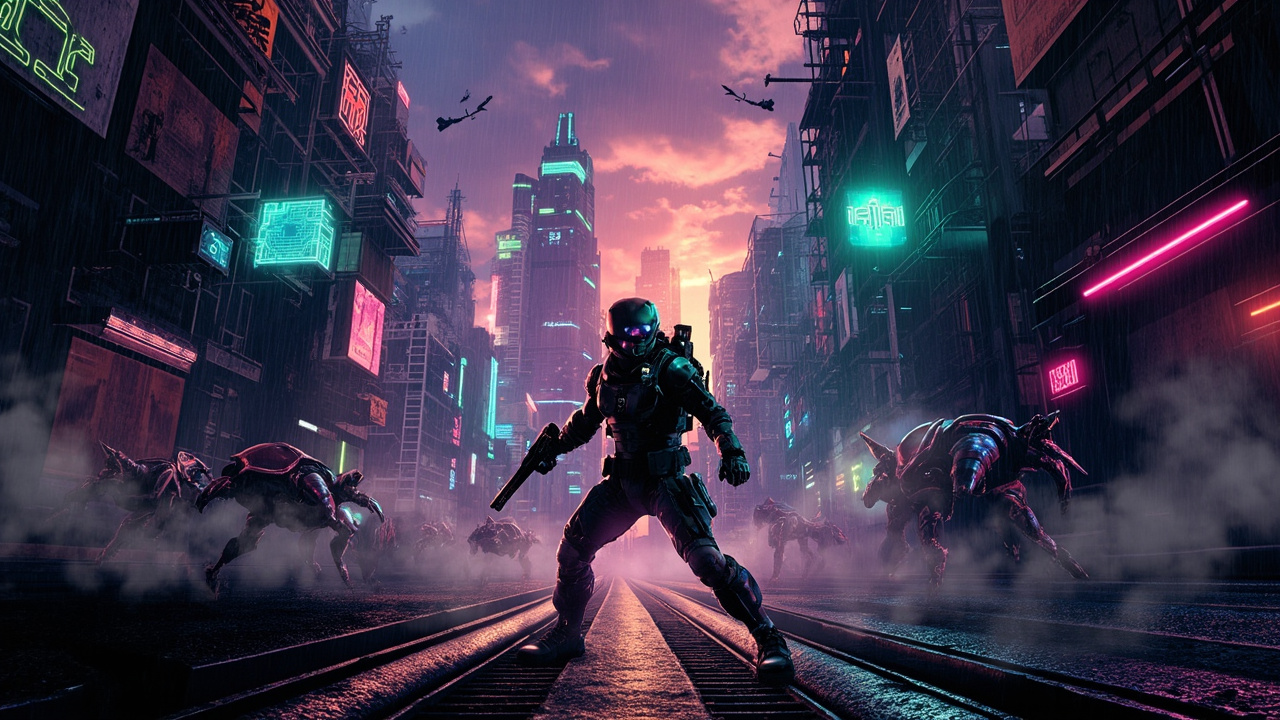
ReBlade: The Death Spiral is an action roguelike developed by ChillyRoom and published by Spiral Up Games. The game is set in a dystopian metropolis layered with Chinese mythological imagery — think neon skyscrapers colliding with ancient folklore aesthetics. Players control a condemned Synthetic, a humanoid caught in a kill-or-be-killed spiral against waves of mechanical adversaries.
According to Omega Ultra's coverage of the announcement, each run through the game generates a fresh combination of weapons, chips, and augments, ensuring no two sessions play identically. The game is currently available for wishlisting on Steam, with a confirmed PC release window of 2026. No specific launch date has been announced as of this writing.
Key gameplay features include:
- Projectile deflection mechanics — players can redirect rockets and gunfire back at enemies with precise timing
- Isometric camera perspective — provides tactical visibility across complex urban environments
- Modular character builds — weapons, augments, and skill chips are combined differently each run
- Fast-paced, reflex-driven combat — there is no auto-aim safety net; execution matters
The Outerhaven described the game's combat loop as requiring players to "master mechanics such as projectile deflection" to progress, noting that this skill ceiling separates ReBlade from more passive genre entries. According to The Outerhaven's preview, the game's action trailer alone was enough to generate significant pre-release community excitement.
Why Skill-First Design Resonates With Preppers
The emergency preparedness community has long debated the gear-versus-skills question. FEMA's Community Emergency Response Team (CERT) training, which has been active since 1993, consistently emphasizes that skills outlast supplies. A 72-hour emergency kit runs out. Muscle memory and decision-making frameworks do not.
ReBlade operationalizes that same philosophy. In a roguelike structure, players lose all accumulated gear at the end of each failed run. What carries over is player knowledge — understanding of enemy patterns, weapon synergies, when to deflect versus dodge. The game's design, per Omega Ultra's coverage, explicitly emphasizes "skill refinement" as the primary progression system.
For preppers, the parallel is direct:
- Tabletop exercises and drills function like roguelike runs — each repetition builds pattern recognition
- First aid training is a skill that survives gear loss; a stored bandage can be lost in a flood, but technique cannot
- Situational awareness in dense urban environments, which the game models through its isometric city layouts, mirrors real urban evacuation decision-making
The Cyberpunk City as Survival Laboratory
ReBlade's setting is not arbitrary. The fictional dystopian city the game takes place in is specifically designed to be hostile, layered, and unpredictable — a compressed version of urban disaster conditions. Tall structures create choke points. Alleyways offer cover but limit visibility. Mechanical adversaries operate in coordinated patterns that punish reactive-only players.
Real urban emergencies — building fires, active shooter events, mass casualty incidents — share these structural features. The 2018 Camp Fire in Paradise, California, killed 85 people largely because evacuation routes were not pre-planned and urban density created fatal bottlenecks. The lesson FEMA drew from that disaster: residents who had pre-identified multiple exit routes survived at dramatically higher rates than those who did not.
ReBlade's isometric perspective is, in a sense, the bird's-eye view that preppers are trained to mentally construct before they need it. Knowing your environment's geometry before a crisis begins is not a game mechanic — it's a survival protocol.
Customization and Adaptability: The Prepper's Build System
One of ReBlade's most discussed systems, per OpenCritic's coverage, is its modular customization framework. Players collect weapons, augments, and chips and must combine them intelligently under time pressure. A build that worked in the previous run may be unavailable in the next. Adaptation is mandatory.
This maps cleanly onto tiered emergency preparedness:
- Go-bags are a player's starting loadout — essential but limited
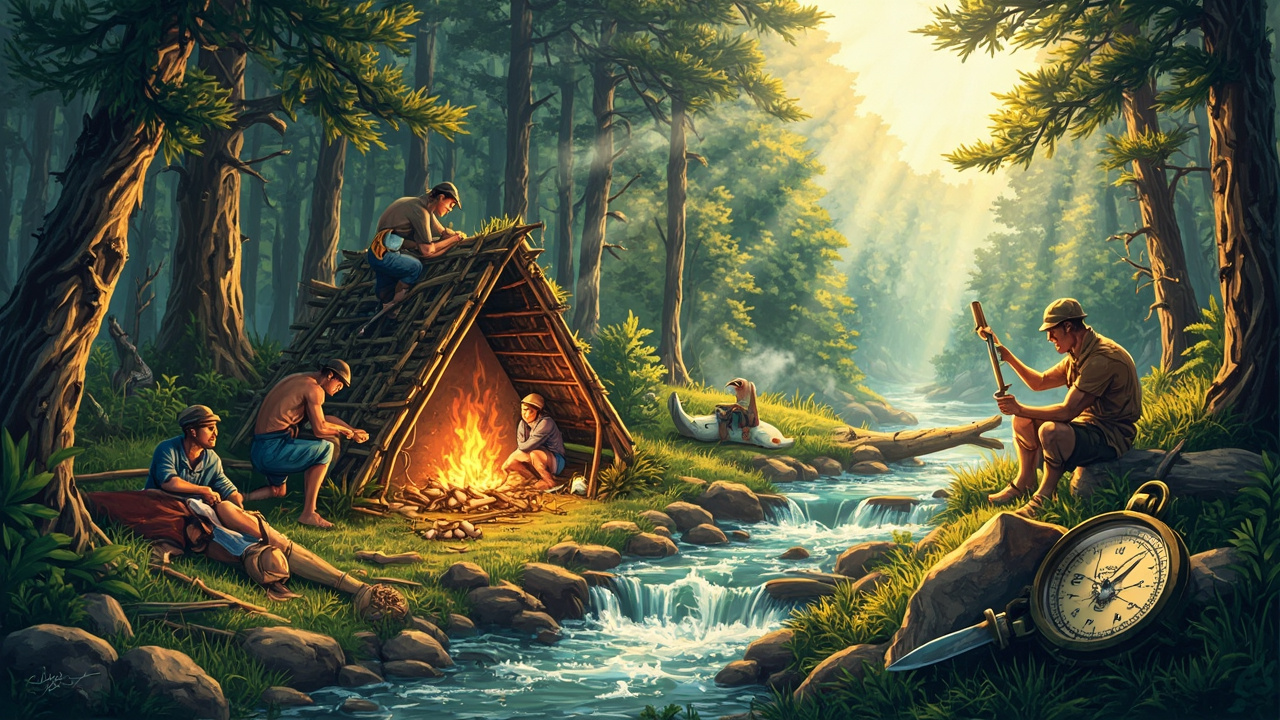
- Improvised tools (shelter from tarps, fire from glasses and sunlight) are the "chips" found mid-run
- Scenario-specific skills — water purification, wound closure, radio communication — function as augments layered on a base build
The prepper who trained exclusively for one scenario (earthquake, say) and has never stress-tested their plan against a different threat (flood, grid failure) is the equivalent of a ReBlade player who only knows one build. When the game generates a random configuration, that player fails. When the real world generates an unexpected scenario, the single-scenario prepper faces the same outcome.
Building adaptability — drilling multiple scenarios, maintaining flexible gear inventories, learning improvisation — is the real-world equivalent of mastering multiple build archetypes before a run.
What the Reception Signals About Public Appetite for Skill-Based Survival Content
The enthusiastic public reception to ReBlade's reveal trailer is meaningful context. The roguelike genre — defined by permadeath, procedural generation, and skill progression — has been the fastest-growing segment of the indie games market since at least 2020, with titles like Hades (Supergiant Games, 2020) and Dead Cells (Motion Twin, 2018) demonstrating that players actively want experiences where failure teaches and persistence pays off.
ReBlade's trailer, as noted by both OpenCritic and Omega Ultra, generated thousands of wishlist additions within its first week. That is a measurable signal: a large and growing audience is drawn to the fantasy of skill-driven survival in hostile, unpredictable environments.
For the emergency preparedness community, this is an opening. Gamified preparedness training — tabletop RPGs based on disaster scenarios, simulation-based first aid courses, even well-designed video games with realistic survival mechanics — has documented educational value. FEMA's own training modules have incorporated scenario simulation for decades precisely because procedural repetition builds genuine competence.
ReBlade will not teach you to apply a tourniquet. But the players who finish it will have spent hours drilling a core truth: in a hostile system, the prepared mind outlasts the stocked shelf.
How to Apply the ReBlade Philosophy to Your Prep Plan Right Now
You do not need to wait for a 2026 game release to apply its lessons. Here is a concrete action checklist drawn from the game's core design principles:
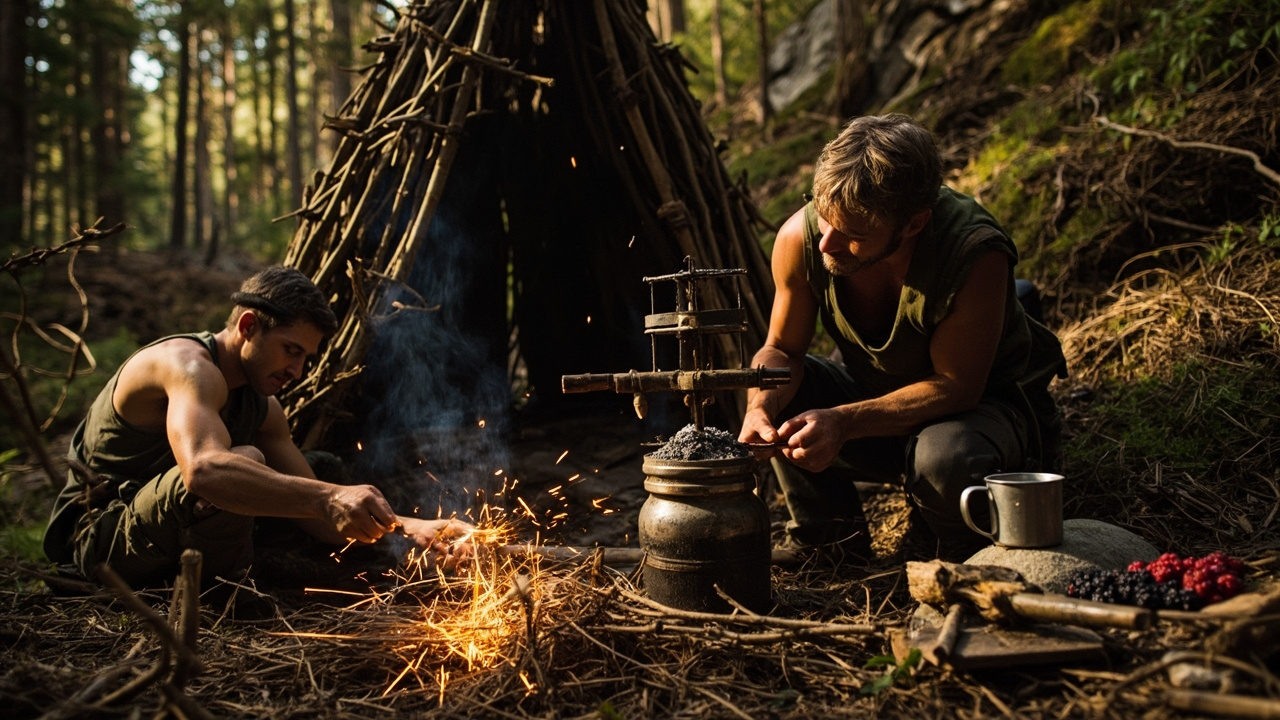
- Run a no-gear drill. Leave your go-bag at home. Walk your evacuation route with nothing but your knowledge. Identify every gap.
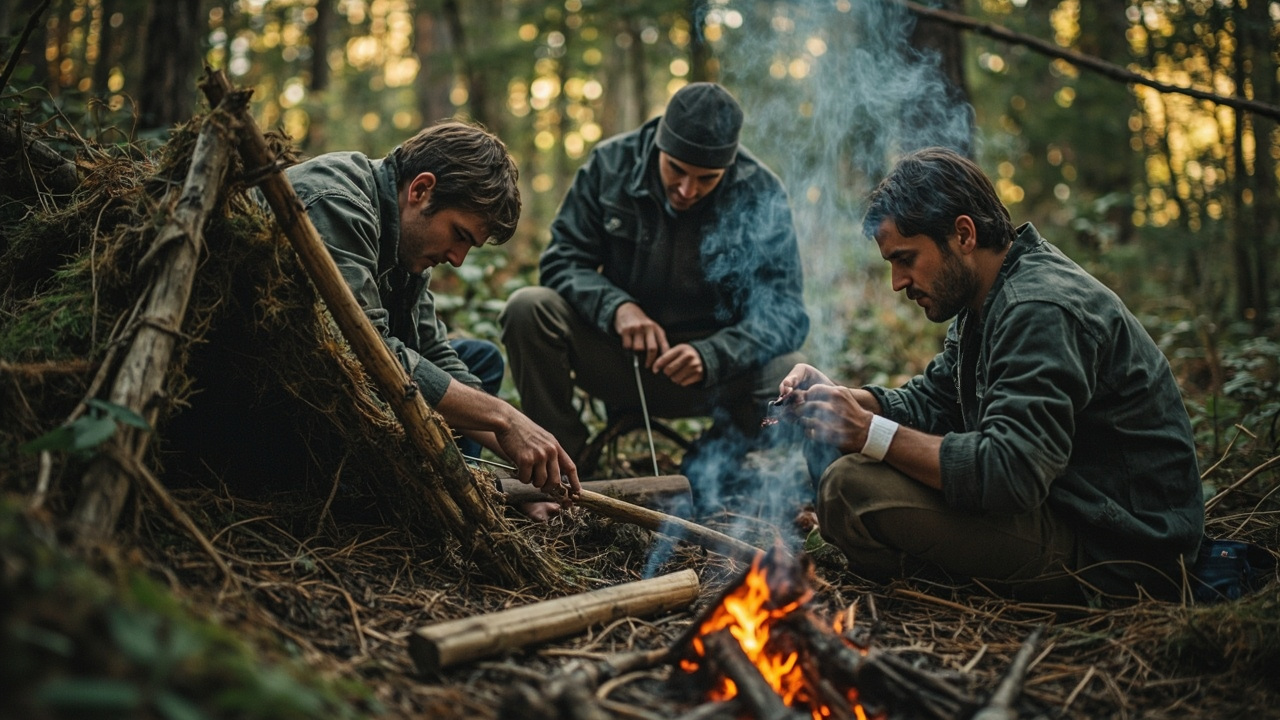
- Learn one new physical skill this month. CPR recertification, fire starting without a lighter, or water filtration with improvised materials.
- Map your urban environment. Identify two exit routes from your home, workplace, and any location you frequent. Write them down. Time them.
- Stress-test your build. If your entire prep plan depends on one piece of gear (a specific water filter, a generator), identify what you do if that item is unavailable.
- Repeat the drill under different conditions. Daytime, nighttime, with family members, without communication devices. Each repetition is a roguelike run.
Skill is the only resource that compounds across every scenario. That is ReBlade's design philosophy. It is also FEMA's. And it is the foundation of every serious emergency preparedness program on record.
Bottom Line
ReBlade: The Death Spiral is a 2026 PC cyberpunk action roguelike from ChillyRoom and Spiral Up Games that puts skill-first survival at the center of its design. Beyond its entertainment value — which, based on early community reception covered by OpenCritic and Omega Ultra, appears substantial — the game encodes a preparedness principle that emergency managers have been advocating for decades: trained skills outlast any supply cache. The prepper who trains like a roguelike player — iterating, adapting, building knowledge across failed runs — is the one most likely to survive a real crisis.
Wishlist ReBlade on Steam. Then go run your evacuation route one more time.