Basic Survival Skills Are the Non-Negotiable Core of Emergency Preparedness
TL;DR: Mastering basic survival skills — fire-starting, water purification, shelter-building, first aid, and navigation — is the single most important investment any prepper can make before adding firearms or expensive gear to their kit.
As of 2025, surveys by the American Red Cross consistently show that the majority of Americans cannot perform basic first aid, identify a safe water source, or shelter themselves effectively without modern infrastructure. That gap in readiness is precisely what separates people who survive emergencies from those who don't. According to the Red Cross's official skills resource, 11 Critical Survival Skills That Could Save Your Life, even short-duration crises like winter storms, wildfires, or extended power outages expose fatal weaknesses in people who rely entirely on technology and supply chains.
This article covers the five foundational survival skill sets, explains how firearms fit responsibly into a broader preparedness plan, walks through the anatomy of a real emergency kit, and lays out a practical training schedule you can start this week.
The Five Foundational Survival Skills
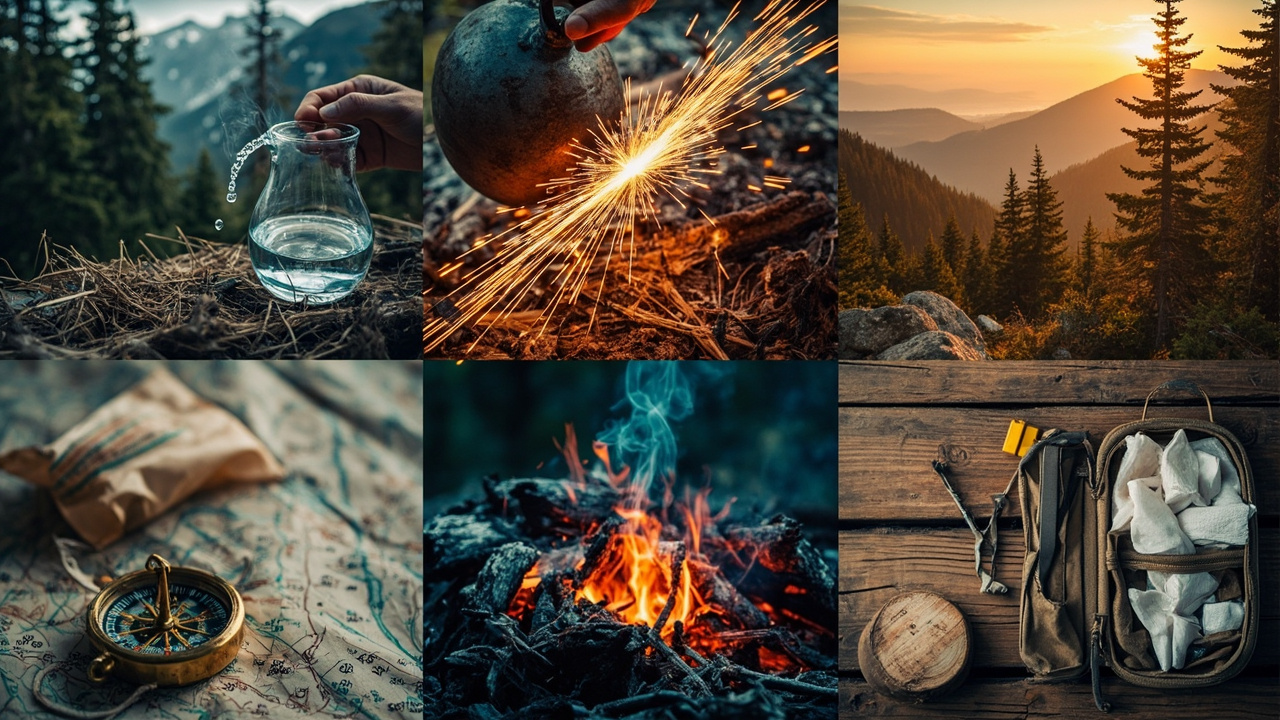
No piece of gear replaces knowledge. Tools break, batteries die, and stores close. Skills travel with you. Here are the five areas the Red Cross and survival educators consistently identify as non-negotiable.
1. Water Procurement and Purification
The human body can survive roughly three days without water. In a disaster scenario — hurricane, earthquake, grid failure — municipal water systems frequently become contaminated or unavailable within hours. Every prepper must know at least three purification methods:
- Boiling: Bring water to a rolling boil for at least one minute (three minutes above 6,500 ft elevation) to kill pathogens.
- Chemical treatment: Unscented household bleach (6–8.25% sodium hypochlorite) at 8 drops per gallon, then wait 30 minutes.
- Filtration: Portable filters such as the Sawyer Squeeze or LifeStraw remove bacteria and protozoa but not viruses; pair with chemical treatment in high-risk areas.
FEMA's official guidance at Ready.gov recommends storing one gallon of water per person per day for at least three days, and ideally two weeks for home sheltering.
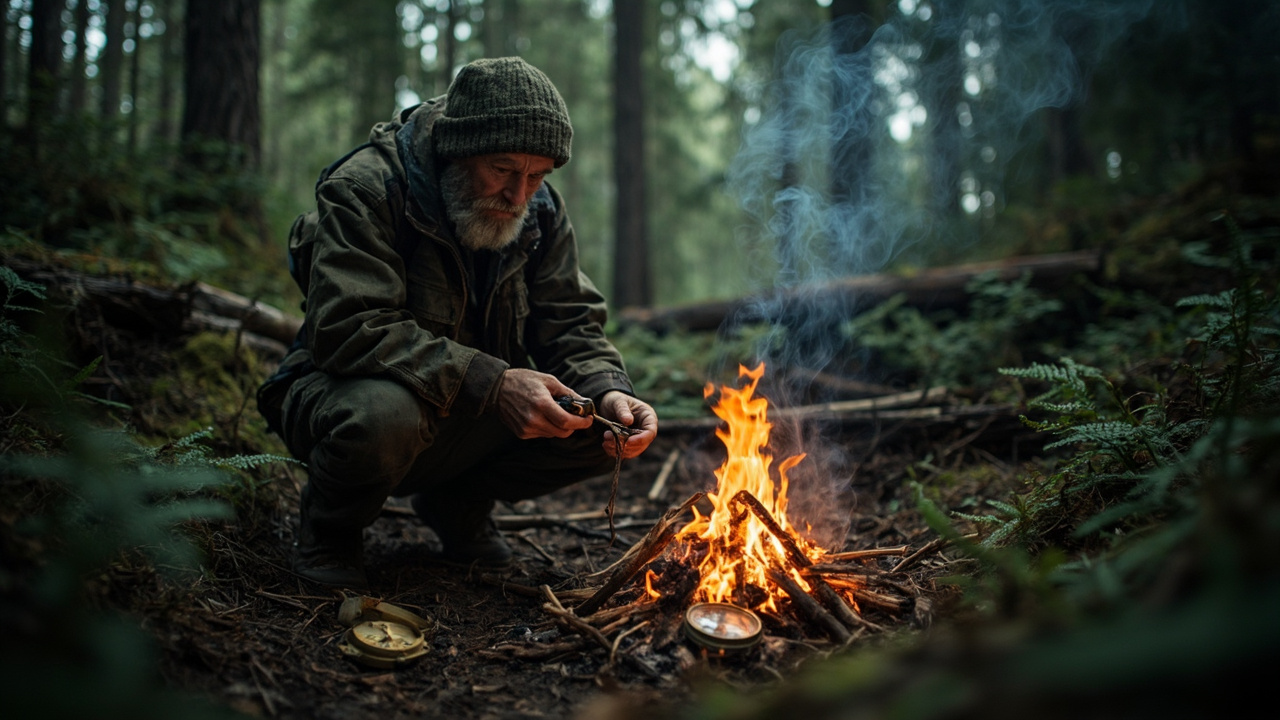
2. Fire Starting
Fire provides warmth, the ability to boil water, a means to cook food, and a psychological anchor during prolonged stress. Practice three reliable methods so that no single failure leaves you cold:
- Ferrocerium rod and tinder bundle: Works wet, works at altitude, never runs out of fluid.
- Waterproof matches in a sealed container: Backup that requires no skill under pressure.
- Friction fire (bow drill): Time-intensive but requires zero manufactured equipment — critical knowledge for worst-case scenarios.
Always clear a three-foot radius of debris, keep a water source nearby, and never leave a fire unattended.
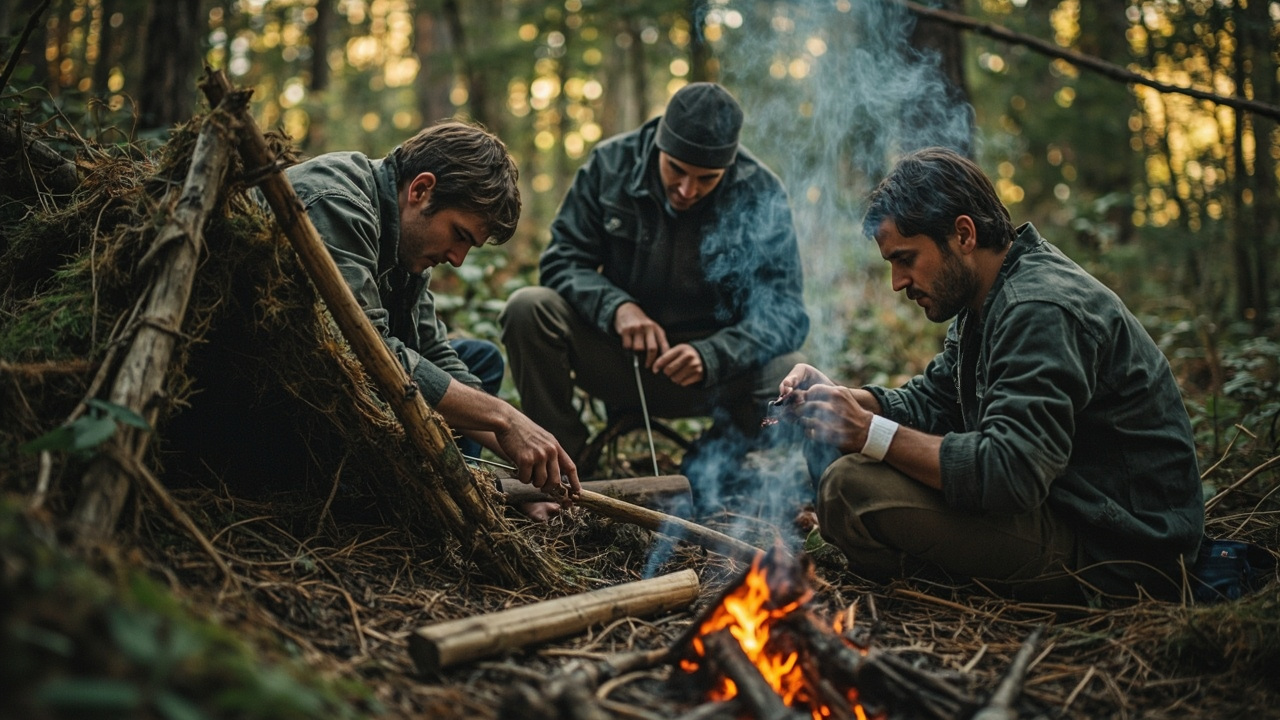
3. Shelter Building
Exposure kills faster than starvation. Hypothermia can set in within hours in wet, windy conditions even at temperatures above freezing. Every prepper should be able to construct or improvise a shelter from available materials:
- Debris hut: Pile leaves, pine needles, or grass over a ridgepole frame. Insulation depth should equal your arm's length on each side.
- Tarp lean-to: A 10x12 ft silnylon tarp and 50 ft of paracord can create a weatherproof shelter in under ten minutes.
- Vehicle shelter: In a car during a blizzard, run the engine ten minutes per hour for heat, crack a window to prevent CO buildup, and keep the exhaust pipe clear of snow.
4. Basic First Aid and Wound Care
In a major disaster, emergency medical services may be unavailable for 24–72 hours or longer. The Red Cross's 11 Critical Survival Skills resource explicitly lists first aid as a top-tier survival competency. At minimum, every household member over age 12 should be trained in:
- Bleeding control: Direct pressure, wound packing with gauze, tourniquet application above the knee or elbow for arterial bleeds.
- CPR and AED use: The American Heart Association updated its guidelines in 2020; hands-only CPR at 100–120 compressions per minute is now acceptable for untrained bystanders.
- Fracture immobilization: Splint with available rigid materials (sticks, boards, trekking poles); do not attempt to realign compound fractures.
- Infection prevention: Clean wounds with potable water and cover; watch for redness spreading beyond the wound margin, warmth, and fever.
5. Navigation Without Technology
GPS devices and smartphones fail when batteries die or signals are jammed. Practice map-and-compass navigation quarterly:
- Identify your location using terrain association (matching map contours to visible landforms).
- Take a bearing with a baseplate compass; adjust for magnetic declination in your region.
- Pace-count to estimate distance (roughly 100 paces per 100 meters for average adults).
Firearms in an Emergency Preparedness Plan
Firearms are a legitimate and widely-used component of emergency preparedness for millions of American households — but they are an advanced tool, not a substitute for foundational skills.
According to the introductory guide at Firearms and Prepping: An Introductory Guide | prepare.blog, the two primary roles firearms play in a preparedness context are personal and home defense and food procurement through hunting. A 9mm handgun or 12-gauge shotgun for home defense and a .22 LR rifle for small-game hunting represent the most common entry-level recommendations for new preppers.
Legal and Safety Requirements Come First
Before purchasing any firearm for preparedness purposes:
- Know your local laws: Permit requirements, magazine capacity limits, and safe storage laws vary by state. Check your state attorney general's website for current statutes.
- Complete a certified safety course: The NRA Basic Pistol Course and USCCA Fundamentals of Handgun Shooting are widely available and cover safe storage, handling, and legal use of force.
- Secure storage is non-negotiable: A biometric quick-access safe for defensive firearms, and a locked long-gun cabinet for hunting rifles, prevents access by children and reduces theft.
Training Sustains Readiness
Owning a firearm without regular training is actively dangerous. Prepare.blog's introductory guide recommends dry-fire practice at home at least twice weekly and live-fire range sessions monthly. Stress inoculation drills — drawing from a holster, engaging multiple targets, reloading under a timer — build the muscle memory that matters when adrenaline is running high.
Building a Practical Emergency Preparedness Kit
Ready.gov's Build A Kit guidance, updated in 2024, establishes the baseline standard. A functional kit for a family of four includes:
- Water: 12 gallons stored, plus a gravity filter and chemical backup.
- Food: 72-hour supply of shelf-stable meals (canned goods, freeze-dried pouches, energy bars) plus a manual can opener.
- First aid: Commercial kit supplemented with a tourniquet (CAT or SOFTT-W), Israeli bandage, hemostatic gauze, nitrile gloves, and any prescription medications (90-day supply where possible).
- Light and power: Hand-crank or solar-charging lantern, headlamp with spare batteries, portable battery bank charged to 100%.
- Shelter: Emergency mylar blankets (one per person), a waterproof tarp, and 50 ft of paracord.
- Documents: Copies of IDs, insurance cards, medication lists, and emergency contacts in a waterproof pouch.
- Communication: Battery or hand-crank NOAA weather radio.
Store the kit in a designated, accessible location. Review and refresh expiring items every six months — mark calendar dates on January 1 and July 1.
A Practical Training Schedule
Knowledge without practice degrades. Use this quarterly rotation:
- Month 1: First aid recertification, water purification drill, kit inspection.
- Month 2: Fire-starting practice (three methods), shelter setup timed drill.
- Month 3: Navigation — one hour of map-and-compass work in local terrain.
- Month 4: Full household evacuation drill including vehicle loadout; review and update emergency contacts.
Firearm training should sit outside this rotation as a separate monthly commitment, not a replacement for core survival skill practice.
The Bottom Line
Gear depreciates; skills compound. Every dollar and hour invested in mastering water, fire, shelter, first aid, and navigation returns more survival value than any single piece of equipment. Firearms enhance a mature preparedness plan but cannot substitute for the foundational knowledge the Red Cross, FEMA, and veteran preppers have consistently identified as the bedrock of personal and family resilience. Start with skills. Build the kit. Add tools — including firearms, responsibly and legally — once the foundation is solid.