Don't Go Camping Until You Know These 8 Survival Skills
TL;DR: The single most important thing you can do before any camping trip is master eight core wilderness survival skills — water purification, fire-starting, shelter construction, navigation, first aid, food storage, signaling, and maintaining calm under pressure — because most wilderness emergencies happen to people who assumed they wouldn't need them.
Every season, thousands of campers are rescued from backcountry emergencies that proper preparation could have prevented. According to Bushcraft Base Camp, the majority of wilderness rescue situations stem directly from a lack of basic survival knowledge — not from freak accidents or extreme weather. The U.S. National Park Service logged over 3,000 search-and-rescue operations in 2022 alone, the vast majority involving lost or injured hikers and campers who lacked fundamental preparedness skills.
Camping is one of the safest and most rewarding ways to experience the natural world — but only if you go in prepared. The skills below aren't advanced bushcraft techniques reserved for survivalists. They're foundational knowledge that every person stepping off a paved trail should carry, whether you're car camping in a state park or backpacking deep into a national wilderness area.
1. Finding and Purifying Water
Water is your most urgent survival priority. The human body can survive roughly three days without it under normal conditions — and far less in hot, dry, or physically demanding environments.
In the wild, visible water sources like streams, rivers, and lakes are not safe to drink untreated. According to Untamed Pursuit's guide to survival skills every camper should learn, animal tracks frequently lead to nearby water sources — a useful field technique when streams aren't visible on your map. Once you've located water, always purify it using one of three methods:
- Boiling: Bring water to a full rolling boil for at least one minute (three minutes at elevations above 6,500 feet) to eliminate bacterial, viral, and protozoan pathogens.
- Filtration: Portable filter systems from brands like Sawyer and LifeStraw remove most biological contaminants and are lightweight enough to carry on any trip.
- Chemical tablets: Iodine or chlorine dioxide tablets are a compact backup option and effective against most pathogens, though they require a 30-minute wait time.
Always carry at least two purification methods on any overnight camping trip. Filters can clog; tablets can expire.
2. Building a Fire
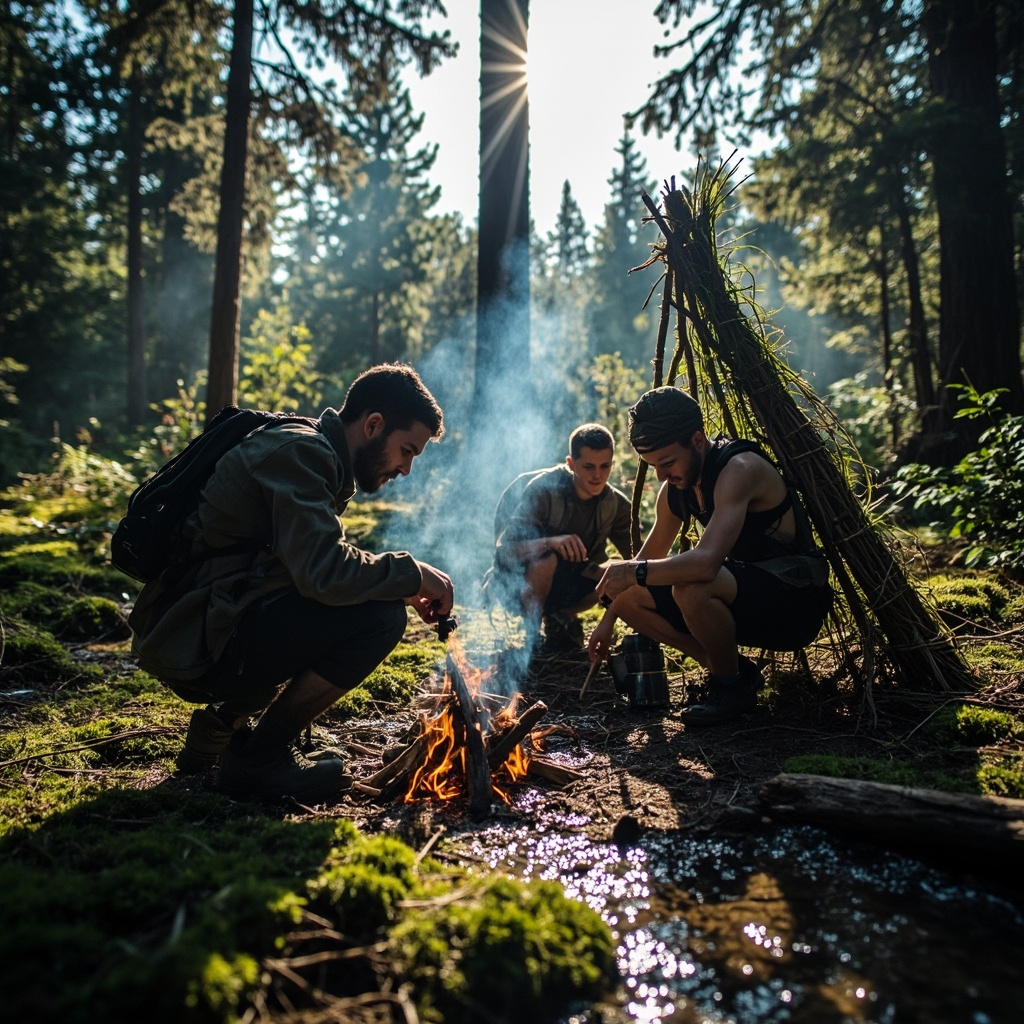
Fire is shelter, warmth, a signaling tool, and a morale lifeline in a survival situation. Learning to build one reliably — in wet conditions, with minimal tools — is non-negotiable.
As Bushcraft Base Camp outlines, mastering the fire triangle (fuel, heat, oxygen) is the foundation. In practice, this means gathering dry tinder (dead grass, birch bark, pine needles), fine kindling (pencil-thin sticks), and larger fuel logs before you ever strike a spark.
Key fire-starting methods to practice at home:
- Waterproof matches or a BIC lighter — always carry as primary tools, stored in a waterproof case
- Ferrocerium rod — reliable in rain and wind, produces sparks at over 3,000°F
- Flint and steel — traditional and tool-independent; requires practice
Leave No Trace principles require that you build fires only where permitted and extinguish them completely. Check fire restrictions before every trip at campfirepermit.org.
3. Navigation Without Technology
GPS devices and smartphone navigation apps fail. Batteries die, signals disappear, and screens crack. In remote terrain, digital navigation failure has contributed to numerous search-and-rescue operations.
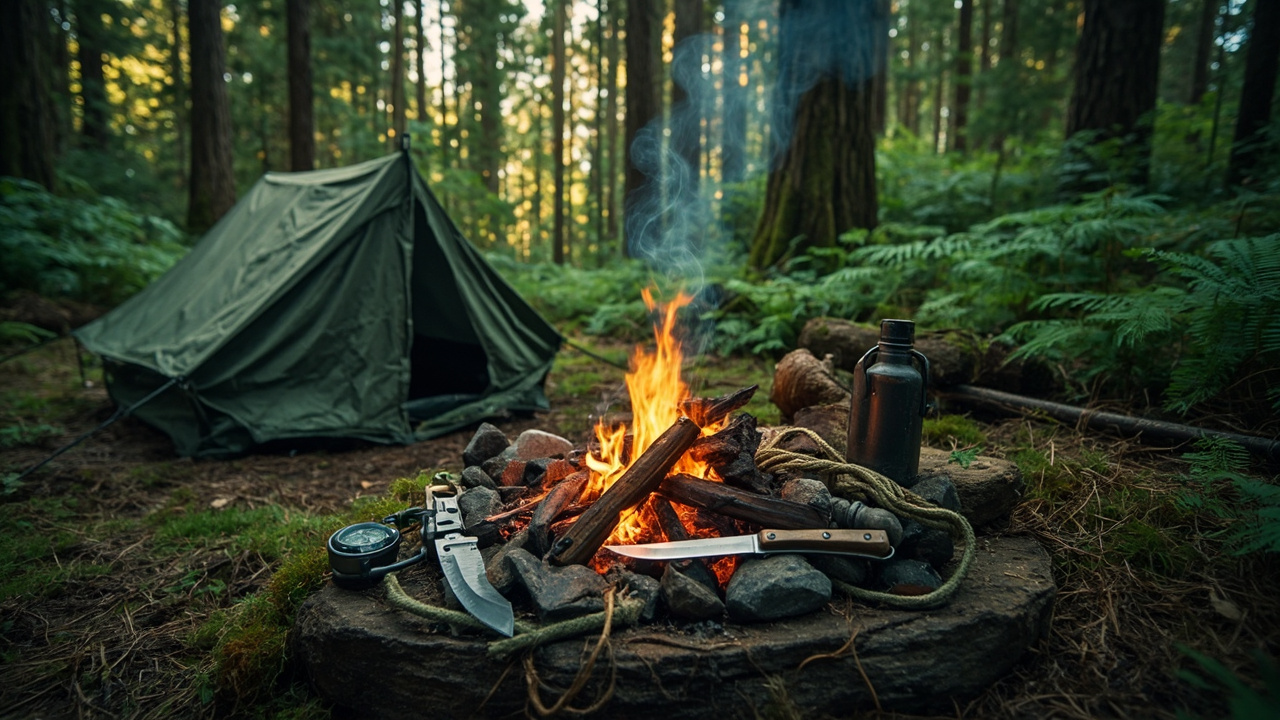
Every camper should be able to navigate using a topographic map and baseplate compass. Topo maps show elevation, water features, and trails in detail that no phone app replicates offline. Organizations like REI and the National Outdoor Leadership School (NOLS) offer map-and-compass courses throughout the year.
According to Untamed Pursuit, key navigation benchmarks to practice include: taking a bearing, triangulating your position using two landmarks, and identifying ridgelines, drainages, and saddles on a topo map before you're standing in front of them.
Always file a trip plan with a trusted contact before departing. Include your trailhead, intended route, campsites, and expected return date. This single step drastically shortens search-and-rescue response time if you go missing.
4. Building an Emergency Shelter
Exposure — hypothermia and hyperthermia — kills faster than almost any other wilderness hazard. A well-built emergency shelter can mean the difference between a survivable night and a fatal one.
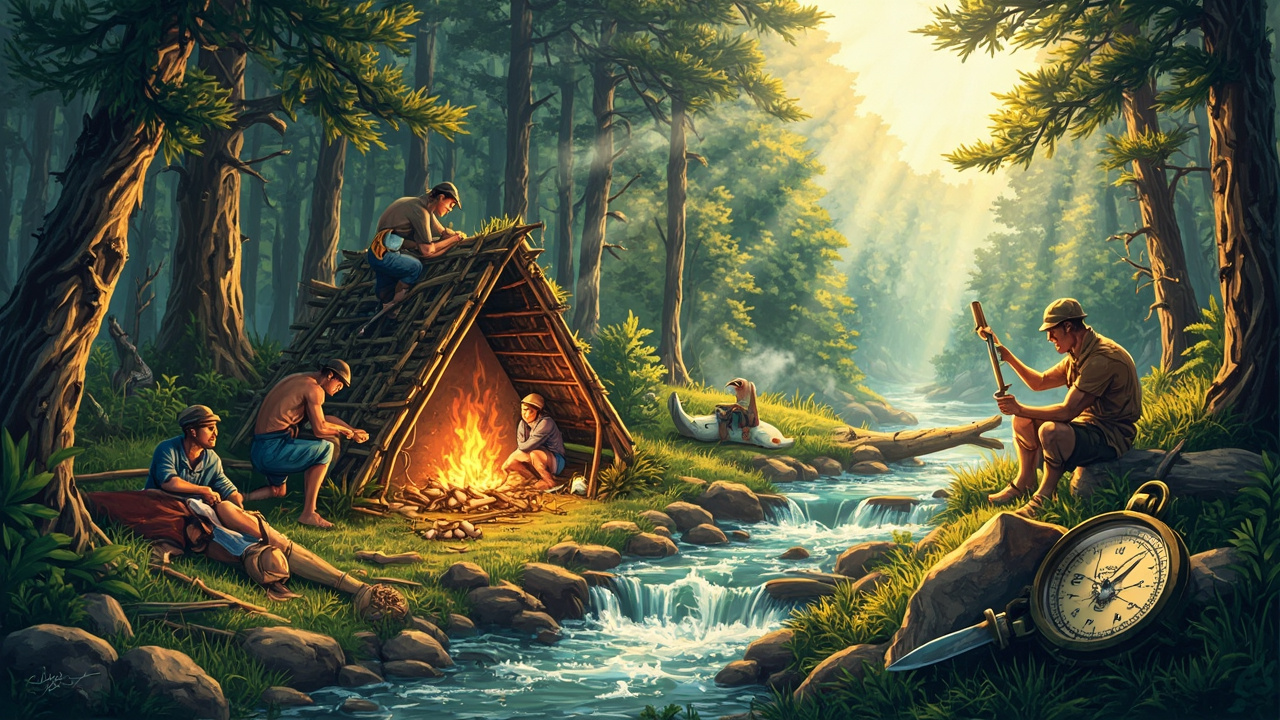
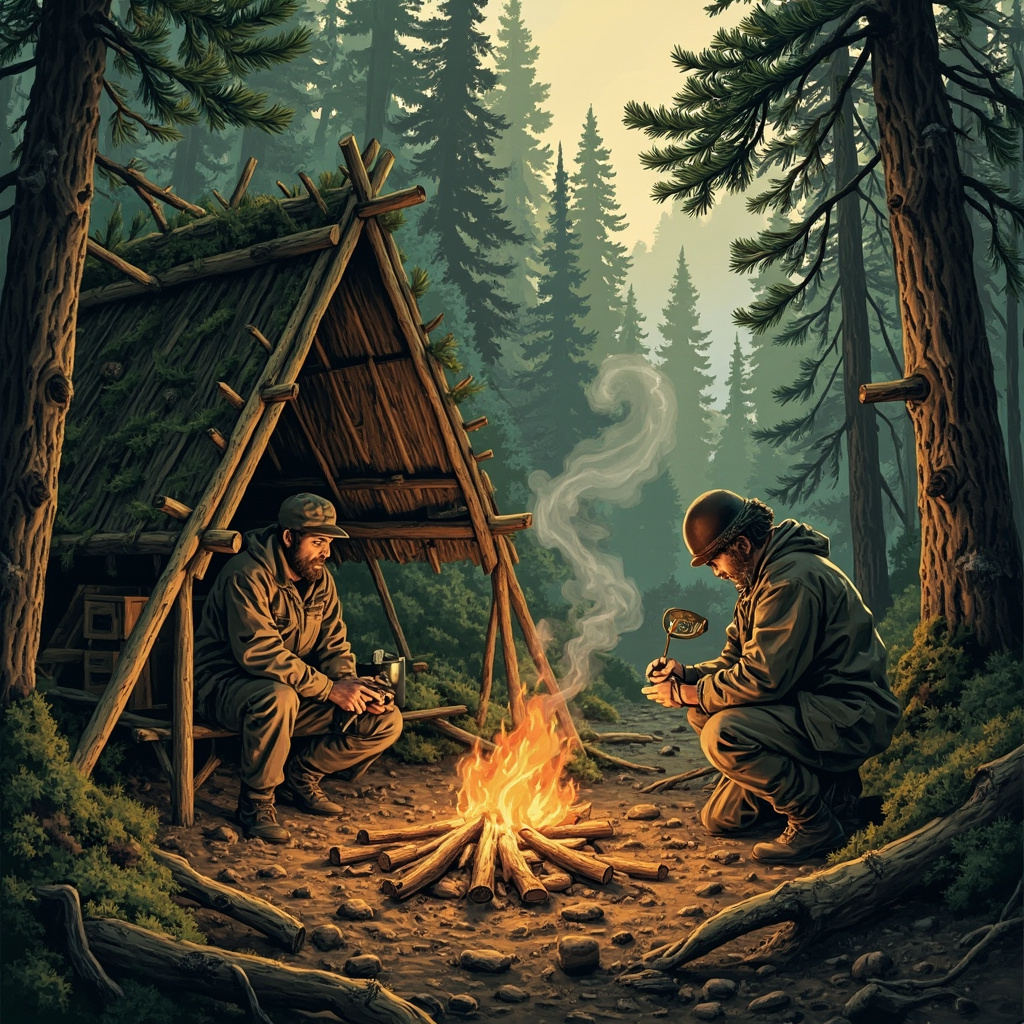
If you have a tent, use it. If you don't, or if it's damaged, natural debris shelters are surprisingly effective. A debris hut — a frame of branches packed tightly with leaves, pine needles, and bark — provides significant insulation even without a sleeping bag. The rule of thumb: build it small, no larger than your body, so your body heat warms the interior.
Always carry a lightweight emergency bivy or a heavy-duty contractor trash bag as a backup. Weighing under two ounces and costing under $5, they are the highest-value survival items per gram in any pack.
5. Wilderness First Aid
Professional medical help may be hours or days away in the backcountry. Knowing how to treat common wilderness injuries is not optional — it's essential.
Every camper should know how to:
- Clean and bandage lacerations to prevent infection
- Recognize and treat the three stages of hypothermia
- Manage sprains and suspected fractures using improvised splints
- Treat burns with cool (not cold) water and sterile dressings
- Identify and respond to allergic reactions, including anaphylaxis
The Wilderness Medical Society and organizations like NOLS Wilderness Medicine offer Wilderness First Aid (WFA) certifications in weekend-length courses. A WFA certification is strongly recommended for anyone camping more than a few miles from a trailhead.
Carry a purpose-built first aid kit rated for backcountry use, such as those from Adventure Medical Kits, and know how to use every item in it before you leave the parking lot.
6. Food Safety and Wildlife-Smart Storage
Improper food storage doesn't just mean a ruined meal — it invites dangerous wildlife encounters. Bears, mountain lions, raccoons, and rodents are all attracted to improperly stored food and scented items.
In bear country, use bear-resistant canisters (required by law in many wilderness areas, including Yosemite National Park and the Adirondacks) or hang food using the PCT method at least 10 feet high and 4 feet from the tree trunk. Store all scented items — food, toothpaste, chapstick, sunscreen — in your canister or hang.
Cooking and eating at least 200 feet from your tent further reduces wildlife attraction to your sleeping area.
7. Signaling for Rescue
If you're lost or injured, making yourself findable is the priority. Search-and-rescue teams can only help you if they can locate you.
Effective signaling methods include:
- Whistle: Three short blasts is the universal distress signal. A Fox 40 or similar pealess whistle carries over a mile and is heard above wind noise far better than your voice.
- Mirror or reflective surface: A signal mirror can be seen up to 10 miles away by aircraft in good sunlight.
- Smoke: In daylight, white smoke (green vegetation on fire) contrasts against dark forest canopies and attracts aerial attention.
- Personal Locator Beacon (PLB) or satellite communicator: Devices like the Garmin inReach Mini 2 or ACR ResQLink allow two-way communication and GPS-accurate distress alerts routed directly to NOAA's search-and-rescue network — even where there is no cell signal.
A PLB is the single most effective insurance investment for any backcountry camper.
8. Staying Calm Under Pressure
Every survival instructor will tell you the same thing: panic is more dangerous than the emergency itself. Panic triggers poor decisions — moving when you should stop, discarding gear, and exhausting energy reserves rapidly.
The STOP acronym is taught in wilderness survival courses worldwide:
- Stop — cease all movement
- Think — assess your situation rationally
- Observe — identify resources, hazards, and opportunities
- Plan — make a deliberate decision before acting
According to Untamed Pursuit, practicing these skills in low-stakes environments — day hikes, backyard fire-building, local orienteering courses — builds the muscle memory and confidence that prevent panic when conditions become genuinely dangerous.
Bottom Line
Camping is safe when you're prepared. The eight skills outlined here — water purification, fire-starting, shelter building, navigation, first aid, food storage, signaling, and mental discipline — form the complete foundation of wilderness survival readiness. None of them require expensive gear or years of experience. They require practice and intention before the trip, not after the emergency has already started.
Before your next camping trip, pick two skills from this list you haven't practiced recently. Drill them in your backyard. Then go camp with confidence.