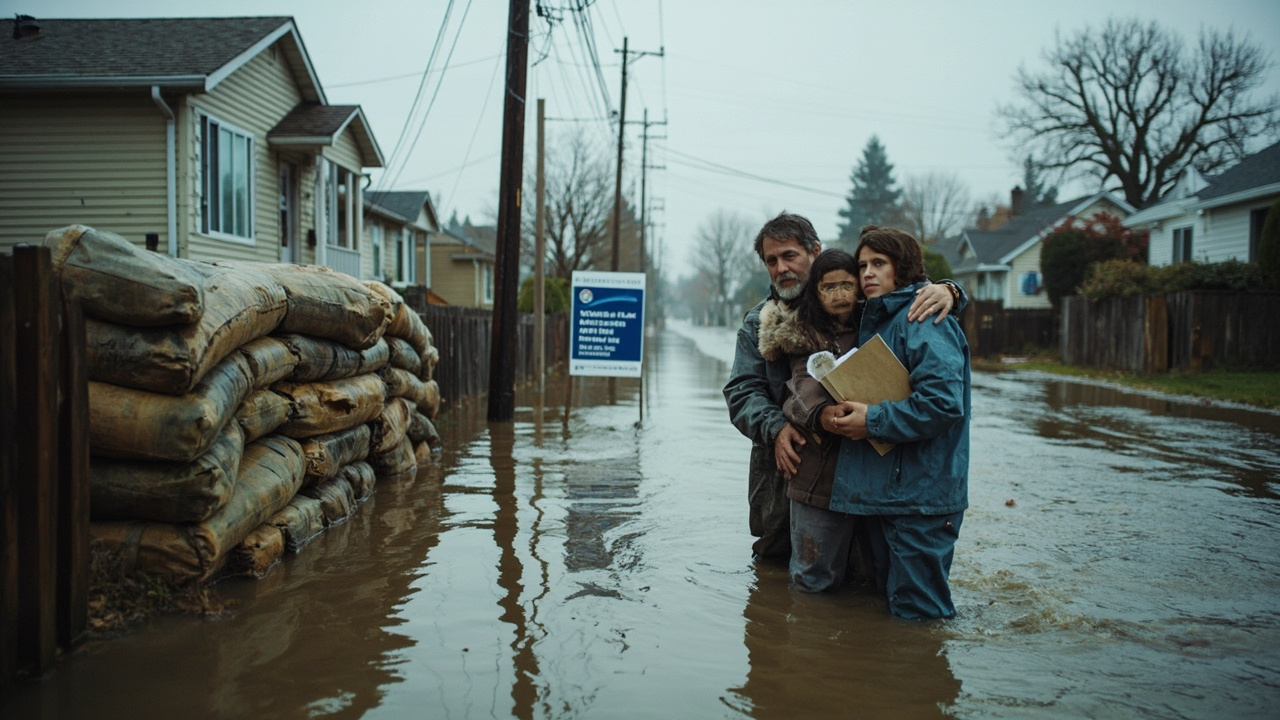
TL;DR: Washington residents with losses from the December storms and flooding must file for FEMA assistance by June 10, 2026.
Residents of ten Washington counties and sixteen tribal communities have seven days left to request federal disaster help, according to the FEMA.gov release titled One Week Remains to Apply for FEMA Assistance in Washington. The notice, dated June 3, 2026 as Release Number 23 from Camp Murray, Wash., sets Wednesday, June 10, 2026 as the final day to apply.
The warning covers damage from December storms and flooding. The Washington State Military Department repeated the same June 10 cutoff on June 3 in its Federal Assistance available for flood survivors update, telling households in designated counties to complete a federal application even when they already sought state help.
FEMA reported that $8.76 million had been approved for 925 applicants in the designated counties at the time of the announcement. The agency said assistance can address temporary housing, displacement, home repair costs, personal property loss and other expenses caused by the disaster.
Who Can Still File By June 10
Eligibility is limited to people who experienced disaster-related losses in defined locations, according to FEMA.gov. The listed counties are Chelan, Grays Harbor, King, Lewis, Pacific, Pierce, Skagit, Snohomish, Thurston and Whatcom.
Coverage also includes members and residents connected to the Confederated Tribes of the Chehalis Reservation, Lummi Nation, Muckleshoot Indian Tribe, Nisqually Indian Tribe, Nooksack Indian Tribe, Puyallup Tribe, Quinault Indian Nation, Samish Indian Nation, Sauk-Suiattle Indian Tribe, Shoalwater Bay Indian Tribe, Snoqualmie Indian Tribe, Squaxin Island Tribe, Stillaguamish Tribe of Indians, Swinomish Indian Tribal Community, Tulalip Tribes and the Upper Skagit Indian Tribe.
The Washington State Military Department lists the same ten counties and sixteen tribal nations as eligible. A local report in Deadline approaching to apply for federal aid from December flooding - My Bellingham Now highlighted Whatcom and Skagit counties along with Lummi and Nooksack communities, and described June 10 as the final day to submit FEMA applications.
The underlying incident was described by the Military Department as severe storms, straight-line winds, flooding, landslides and mudslides that occurred December 5-19, 2025 in the designated counties. Households with damage from that period may be eligible by registering with FEMA.
Four Ways To Submit A FEMA Application
FEMA.gov lists four filing routes that remain open through the deadline:
- Online at disasterassistance.gov
- By phone at 800-621-3362
- By downloading and using the FEMA app
- By visiting a Disaster Assistance Center
People using a relay service, including video relay service, captioned telephone service or others, can provide FEMA with the number for that service, according to the Military Department summary of filing options. An accessible video explaining the process is available as Three Ways to Apply for FEMA Disaster Assistance on YouTube, FEMA said.
Local outreach is available during the final week. According to Federal deadline for flood relief funds looms | HeraldNet.com, FEMA disaster outreach teams were scheduled at the Human Services Resource Fair from 4 to 6 p.m. Tuesday in Monroe at 1070 Village Way for application help.
The same HeraldNet report said a disaster assistance center would operate from 9:30 a.m. to 6 p.m. Wednesday, 10:30 a.m. to 6 p.m. Friday and 11 a.m. to 2 p.m. Saturday at the Snohomish Library at 311 Maple Ave. My Bellingham Now reported that Disaster Assistance Centers were also available in Ferndale, Everson, Sumas and Burlington for Whatcom-area residents.
What Federal Help Can Pay For
FEMA said approved assistance can help pay for temporary housing, displacement, home repair costs, personal property loss and other disaster-caused expenses. The June 3 announcement placed approved aid at $8.76 million for 925 applicants in designated counties.
My Bellingham Now characterized the total as nearly $9 million for more than 900 households statewide. That account also said the aid can cover temporary housing, displacement, home repair costs, personal property loss and other expenses brought on by the flooding.
FEMA encouraged people who carry insurance to apply anyway because the agency may be able to provide financial assistance for disaster expenses that insurance does not cover. The Military Department carried the same guidance for insured households.
People who applied through the state of Washington Individual Assistance program must also apply with FEMA to receive assistance from the federal government, according to FEMA.gov. My Bellingham Now likewise described the federal aid as separate from Washington state's individual assistance program.
SBA Low-Interest Loans For Homes, Businesses And Nonprofits
The U.S. Small Business Administration is offering low-interest disaster loans to Washington businesses, private nonprofit organizations, homeowners and renters, FEMA said. Applications can be made online at sba.gov/disaster, with additional information by calling 800-659-2955. People who are deaf, hard of hearing or have a speech disability may dial 7-1-1 to reach telecommunications relay services.
More detailed loan terms were reported in Local businesses urged to apply for federal flood funds by June 10 | Federal Way Mirror. That report said the SBA Disaster Loan Program covers flooding, landslides, mudslides, straight-line winds and severe storms from Dec. 5-19, 2025.
For businesses and private nonprofits, up to $2 million is available for repair or replacement of real estate, machinery and equipment, inventory and other assets damaged or destroyed during the severe storms. Interest rates start as low as 4% for businesses and 3.625% for nonprofits for terms up to 30 years, the Mirror reported.
For economic injury, up to $2 million is available to businesses and nonprofits for working capital to meet obligations until normal operations can resume. The Mirror said those funds can be used for payroll, lease or mortgage payments, utilities, vendor payments and bank debt payments, with the same low rates and terms up to 30 years.
Homeowners seeking disaster loans may borrow up to $500,000 to repair, rebuild or replace primary residences to pre-disaster condition, with fixed interest as low as 2.875% for up to a 30-year term. Renters and homeowners can borrow up to $100,000 to repair or replace personal property at fixed rates as low as 2.875% for up to a 30-year term, according to the same report. It said those personal-property funds can be used to purchase or repair vehicles, boats, snow machines, furniture, appliances, clothing and everyday camping gear used for hunting, fishing, cooking and safety.
The Mirror listed four advantages described by SBA: applicants can seek an SBA loan the same day they register with FEMA; approval carries no obligation to accept the loan; applicants do not need to wait for an insurance settlement; and all loans include a 12-month deferment with no interest accruing during that period.
SBA disaster-loan applications can be submitted through the MySBA Loan Portal at lending.sba.gov or at locally announced locations. The Mirror gave the SBA Customer Service Center email as [email protected] and phone as 1-800-659-2955, with 7-1-1 for relay services.
Housing Inspections: What To Expect
Residents who applied for federal individual assistance tied to the Dec. 5-19, 2025 storms, winds, flooding, landslides and mudslides will be contacted by FEMA housing inspectors, the Military Department said. Inspectors evaluate storm-damaged properties for possible disaster aid.
FEMA housing inspectors and other officials work in areas affected by storms and flooding and carry official photo identification badges, according to the department. Residents should ask to see that badge during an in-person visit.
The HeraldNet report noted that SBA staff would join FEMA outreach workers at both the Monroe fair and the Snohomish Library sessions to discuss low-interest loans for businesses, private nonprofit organizations, homeowners and renters.
Fraud And Identity-Theft Precautions
The Military Department warned that con artists and criminals may attempt to obtain money or steal personal information through fraud or identity theft after a disaster. In some cases, thieves attempt to apply for FEMA assistance using names, addresses and Social Security numbers taken from affected people.
If a FEMA housing inspector contacts a resident who did not submit an application, that person's information may have been used without permission to create one. In that situation, the department said to tell the inspector that no application was filed so the inspector can request that processing stop.
Anyone who receives a FEMA letter without having applied should call the FEMA Helpline at 800-621-3362. The helpline will request that processing stop, and if the resident then wishes to apply, staff will help create a new application.
The department also warned never to trust anyone asking for money in exchange for disaster aid or promising grants for large deposits. FEMA and local disaster workers do not charge for assistance, inspections or application help.
Residents should not provide banking information to someone claiming to be a FEMA housing inspector. FEMA inspectors are never authorized to collect personal financial information, the department said.
For repair work, the department advised using licensed local contractors with verified references, getting a written contract detailing the work, and avoiding payment of more than half the cost upfront.
Suspected scams should be reported to local law enforcement or to the Washington State Attorney General's office at atg.wa.gov/file-complaint. Knowledge of fraud, waste or abuse involving FEMA funds can be reported around the clock to the FEMA Disaster Fraud Hotline at 866-720-5721 or by email to [email protected].
Why Insured And State-Aid Applicants Should Still File
Households sometimes assume insurance or a state filing removes the need for a federal application. Federal and state guidance for this event says the opposite.
FEMA said insured applicants should still file because uncovered disaster expenses may qualify for financial help. The department repeated that people with insurance should apply for that reason.
The requirement is explicit for state-program participants: individuals who applied with the state of Washington Individual Assistance program must also apply with FEMA to receive federal assistance. That separate filing is necessary before the June 10 cutoff.
FEMA describes its mission as helping people before, during and after disasters. For this Washington event, the immediate preparedness step is administrative: confirm county or tribal eligibility, gather loss documentation, choose an application channel, and file before the stated deadline.