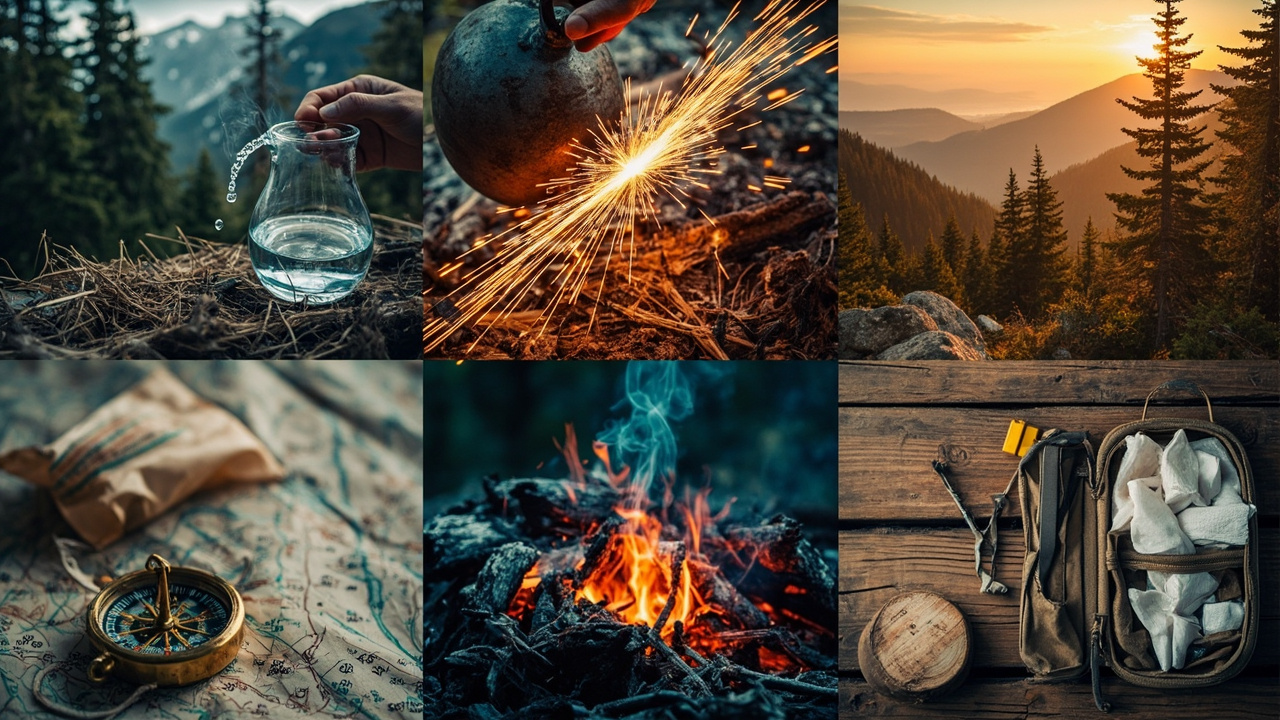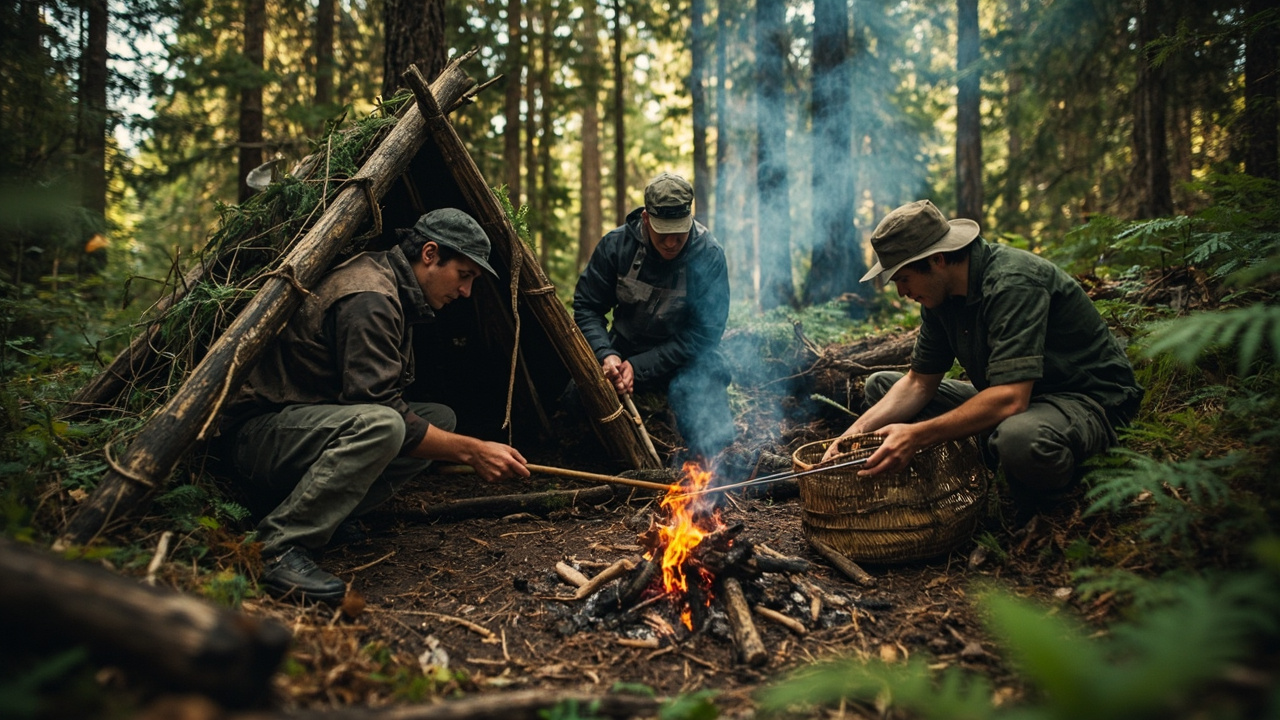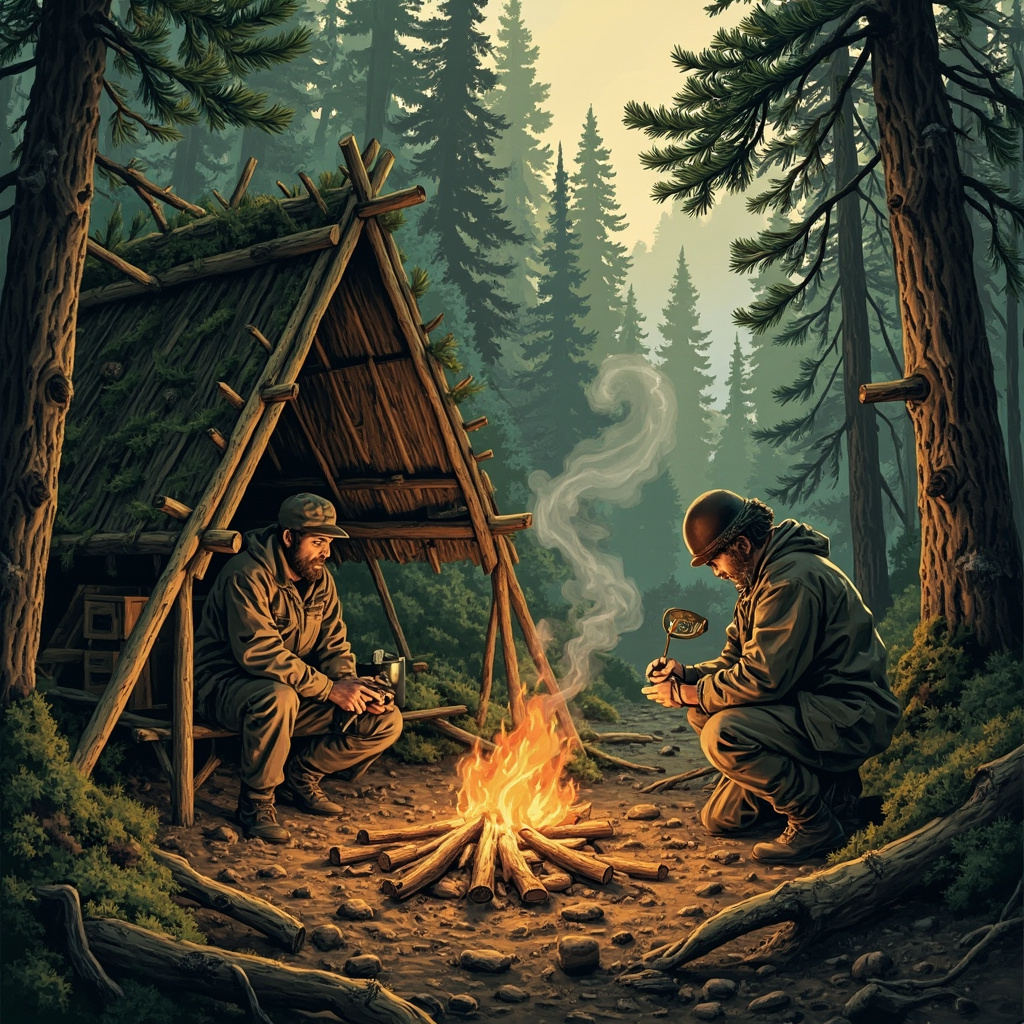
The single most important thing a prepper can do right now is acquire concrete, teachable technical skills — not stockpile gear.
As of June 2024, FEMA's Community Emergency Response Team (CERT) program has trained over 600,000 Americans in hands-on disaster response, according to FEMA's official CERT program page. The agency's data consistently shows that communities with higher rates of practical skill training recover faster from disasters than those relying solely on government response. That finding shapes everything below.
This article cuts through the noise and identifies the specific technical competencies — from basic trauma care to off-grid water engineering — that emergency preparedness professionals say are genuinely life-saving.
Why "Knowing About It" Is Not Enough
Watching a YouTube video about water filtration is not the same as building a gravity filter from scratch under pressure. Reading about suturing is not the same as closing a wound in low light with shaking hands.
The Red Cross distinguishes between awareness training and skills training for exactly this reason. Their 2023 annual report noted that participants who completed hands-on first aid and CPR courses were 2.7 times more likely to intervene successfully in a real cardiac emergency than those who only completed awareness modules (American Red Cross 2023 Annual Report).
The lesson: information is a starting point. Practiced, repeatable physical skill is the goal.
The Six Skill Categories That Matter Most
1. Trauma Care and Hemorrhage Control
Uncontrolled bleeding is the number one preventable cause of death in disaster scenarios, according to the Hartford Consensus — a 2013 joint statement by the American College of Surgeons and federal law enforcement that spawned the nationwide "Stop the Bleed" campaign.
By April 2024, the Stop the Bleed program had trained over 3 million people in the United States in tourniquet application and wound packing (Stop the Bleed official site). The training takes roughly 90 minutes and requires no medical background.
Minimum competencies to acquire:
- Commercial tourniquet application (CAT or SOFTT-W)
- Wound packing with hemostatic gauze
- Pressure dressing application
- Recognition of tension pneumothorax signs
2. Water Treatment and Purification Engineering
After a major earthquake, hurricane, or infrastructure cyberattack, potable water disappears within 72 hours in most urban environments. The CDC states that waterborne illness is one of the leading causes of death in post-disaster settings globally (CDC Emergency Water Supply Planning Guide).
Understanding why a filter works — not just how to operate one — allows improvisation when commercial equipment fails.
Key technical knowledge areas:
- Ceramic vs. activated carbon vs. reverse osmosis filtration physics
- Chemical disinfection ratios (sodium hypochlorite: 8 drops per gallon of clear water)
- Solar water disinfection (SODIS) — WHO-validated method using clear plastic bottles and sunlight for 6+ hours
- Constructing a slow sand biofilter from locally available materials
3. Emergency Communications
When cell towers fail — as they did for 72+ hours across Western North Carolina after Hurricane Helene in September 2024 — the only reliable communications are radio-based.
The FCC licenses approximately 775,000 amateur ("ham") radio operators in the United States. ARRL, the national amateur radio association, operates over 7,000 emergency communication volunteers through its Amateur Radio Emergency Service (ARES) program (ARRL ARES program).
Getting a Technician-class ham license requires passing a 35-question exam — no Morse code required since 2007. The license is free beyond exam fees (~$15) and opens access to VHF/UHF repeaters that often survive disasters intact.
Minimum competencies:
- Technician-class FCC amateur radio license
- GMRS license for family/group communications
- Programming handheld radios (Baofeng UV-5R is a common entry point)
- Understanding NIMS ICS communication protocols used by emergency managers
4. Electrical and Power Systems
Power outages in the United States average 8 hours per event, but major disaster-related outages stretch into weeks. After Hurricane Maria in 2017, portions of Puerto Rico went 11 months without grid power — the longest blackout in U.S. history.
Solar panel installation and battery bank configuration are skills that translate directly into community resilience. A basic 400-watt solar array with a 100Ah lithium iron phosphate (LiFePO4) battery can power LED lighting, phone charging, a CPAP machine, and a small refrigerator indefinitely.
Practical skills to develop:
- Sizing solar arrays for specific load requirements
- Wiring 12V DC systems safely (fusing, proper gauge wire)
- Generator maintenance and fuel rotation
- Understanding transfer switches and back-feed prevention
5. Food Preservation and Production
Pressure canning was validated by the USDA National Center for Home Food Preservation as the only safe method for low-acid foods (meats, vegetables, beans). Improper canning methods cause botulism — a toxin so potent that 1 nanogram per kilogram of body weight is lethal (USDA NCHFP).
Skills worth developing:
- Pressure canning (USDA-tested recipes only)
- Freeze-drying basics and rehydration techniques
- Seed saving and open-pollinated variety selection
- Basic soil amendment and companion planting for food production in constrained spaces
6. Structural Safety and Search & Rescue
CERT training covers Light Search and Rescue (LSAR) — how to safely enter a partially collapsed structure, locate survivors by sound and sight, and execute simple extractions without heavy equipment.
FEMA's CERT curriculum was updated in February 2023 to include updated protocols for wildfire structure triage, reflecting the growing incidence of urban-wildland interface disasters (FEMA CERT Training Materials).
Core knowledge areas:
- Void space identification in collapsed structures
- Leveraging with basic hand tools
- Triage tag systems (START triage: Simple Triage and Rapid Treatment)
- Cribbing and shoring techniques
Building a Personal Skills Development Plan
The most effective preparedness skill programs follow a crawl-walk-run model:
Crawl (0–3 months):
- Complete Stop the Bleed training (free, 90 min)
- Obtain a basic CPR/AED certification through the American Red Cross or American Heart Association
- Pass the FCC Technician amateur radio exam
Walk (3–12 months):
- Complete a FEMA CERT course (free, offered by local fire departments)
- Hands-on pressure canning practice using USDA-tested recipes
- Build a basic 12V solar charging system from scratch
Run (12+ months):
- Advanced Wilderness First Responder (WFR) certification through NOLS or Wilderness Medical Associates
- ARRL Emergency Communications Level 1 certification
- Join or form a neighborhood mutual aid team with regular training exercises
The Community Multiplier Effect
Individual skills matter, but community-level competency is what defines resilience. Research published in the journal Disasters in 2022 found that communities with organized neighborhood emergency response networks recovered from disasters 40% faster in terms of basic services restoration than comparable communities without such networks.
The model is straightforward: one trained individual can teach five neighbors, who each teach five more. A single CERT graduate becomes the nucleus of a block-level response capability.
This is the real investment worth making — not political affiliation, not passive consumption of preparedness content, but the hard-won, sweat-tested skill that functions when infrastructure fails and help is 72 hours away.
What to Do This Week
- Register for the next Stop the Bleed class at stopthebleed.org
- Download the FEMA CERT training materials at ready.gov/cert
- Schedule the FCC Technician exam through hamstudy.org
- Pull your municipal hazard mitigation plan — every U.S. county is required to publish one — and identify the top three local risks
- Conduct a 72-hour drill: no grid power, no grocery store, no cell service. Note every gap. Fill it with a skill, not a product.
The communities that survive the next major disaster will not be the ones that bought the most gear. They will be the ones that practiced the most skills.
Sources cited in this article include the American Red Cross 2023 Annual Report, FEMA's CERT program page, Stop the Bleed, ARRL ARES, the CDC Emergency Water Supply Planning Guide, and the USDA National Center for Home Food Preservation.