The Bottom Line: Confidence Without Gear or Skills Is a Dangerous Illusion
The single most important finding from recent emergency preparedness research: people who feel most informed about disasters are often the least practically ready for them. A peer-reviewed 2024 study published in The Sociological Quarterly — titled "The Preparedness Paradox in Climate Attitudes: Democrats Worry, Republicans Prepare" — found that self-reported concern about climate-related disasters does not translate into stockpiled supplies, practiced evacuation routes, or first-aid certification. Researchers Katsyris Rivera-Kientz and colleagues analyzed survey data across political affiliations and found that conservative-leaning respondents were statistically more likely to have emergency kits, stored water, and documented family plans, while liberal-leaning respondents scored higher on anxiety about disasters but lower on tangible preparedness actions.
This is not a story about mockery or partisan point-scoring. It is a story about a measurable, life-threatening gap between perceived readiness and actual readiness — and what every individual, regardless of politics or demographics, can do to close it before the next flood, wildfire, or grid failure.
What the Research Actually Says
The Sociological Quarterly Study (2024)
Published in late 2024 and available via Taylor & Francis Online, "The Preparedness Paradox in Climate Attitudes: Democrats Worry, Republicans Prepare" (Rivera-Kientz et al., The Sociological Quarterly, DOI: 10.1080/00380253.2024.2417386) draws on a nationally representative U.S. sample. Key findings:
- Democratic-identifying respondents reported higher perceived risk from climate disasters and higher confidence in knowing where to find emergency information.
- Republican-identifying respondents were more likely to report owning a 72-hour emergency kit, having stored food and water, and having practiced a household evacuation plan.
- The gap was especially pronounced among women aged 25–44, where liberal-identifying women scored highest on disaster concern but lowest on hands-on preparedness measures among all gender/ideology subgroups surveyed.
The authors avoid causal claims, noting that the pattern likely reflects different cultural frameworks around risk: conservatives may frame emergencies as personal-responsibility events requiring individual action, while liberals may frame them as systemic problems requiring collective or governmental solutions. Both framings have merit — and neither excuses a household with no flashlight, no water, and no plan.
Grist / Phys.org Reporting (July 2025)
A July 2025 investigation published by Grist, headlined "Floods, Fires, and False Confidence: America's Disaster Problem Is Personal" (Sophie Hurwitz, Grist, 2025), synthesized multiple university studies and FEMA data to reach a similar conclusion: political identity, age, and gender are among the strongest predictors of actual disaster readiness — stronger even than income in several models. According to the Grist report, researchers at multiple institutions found that fewer than 40% of Americans have a written household emergency plan, and only about 25% have enough stored water for 72 hours — the bare minimum recommended by FEMA.
Critically, the Grist analysis noted that false confidence is itself a hazard. When people believe they know what to do, they are less likely to seek training, less likely to assemble supplies, and less likely to run drills. The result is a population that talks about preparedness but cannot act on it when seconds count.
The Gender Dimension: Women Bear a Disproportionate Burden
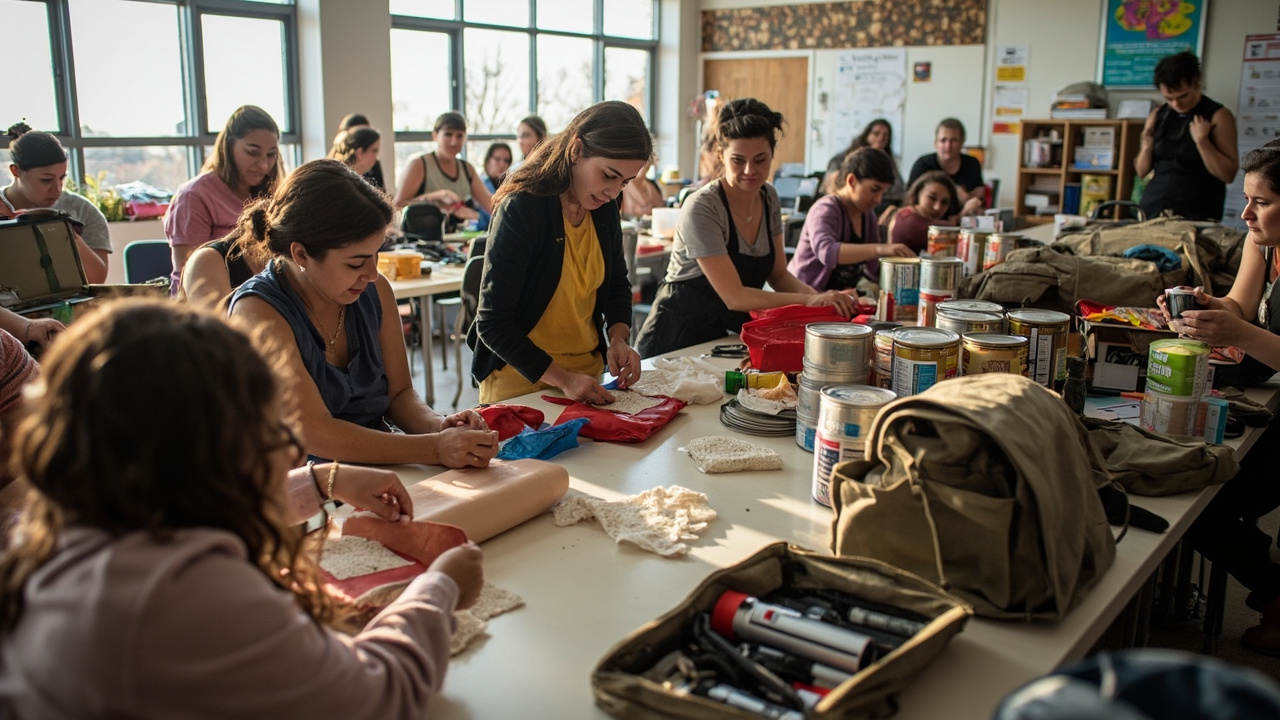
Women — across all political affiliations — are statistically more likely to serve as primary caregivers for children, elderly relatives, and people with disabilities in a household. This means that when disaster strikes, women are often the first decision-makers and the last to evacuate. Yet the Rivera-Kientz study and the Grist reporting both flag women as an underserved demographic in practical preparedness training.
According to FEMA's 2023 National Household Survey, women report higher disaster anxiety than men in every age bracket but are less likely to have completed first-aid or CPR training. The American Red Cross has repeatedly flagged this gap in its annual preparedness reports, noting that while women account for the majority of disaster-relief volunteers, they are underrepresented in technical skills training such as emergency medical response, structural assessment, and water purification.
This is actionable. It is not a condemnation of any demographic — it is a call to prioritize specific training resources where the data shows the greatest need.
The Skills Every Household Needs — Regardless of Who You Are or How You Vote
Emergency management professionals consistently identify the same core competencies. None of them require any particular political identity. All of them save lives.
1. The 72-Hour Kit
FEMA's baseline recommendation: at minimum, every household should have one gallon of water per person per day for three days, a three-day supply of non-perishable food, a battery-powered or hand-crank radio, a flashlight, a first-aid kit, a whistle, a dust mask, plastic sheeting, duct tape, moist towelettes, garbage bags, a wrench or pliers to shut off utilities, a manual can opener, local maps, and a cell phone with chargers. Fewer than one-quarter of American households meet this standard.
2. First Aid and CPR
The American Red Cross offers both in-person and online first-aid and CPR certification. A standard Adult First Aid/CPR/AED course takes approximately six hours and costs around $75–$120. Knowing how to stop severe bleeding, perform hands-only CPR, or use an automated external defibrillator can be the difference between life and death in the 10–20 minutes before emergency services arrive.
3. Written Household Emergency Plan
A documented plan should include: two out-of-area contact numbers (local lines often go down), a designated meeting point outside the home and one outside the neighborhood, knowledge of utility shutoffs, and a go-bag that every household member knows the location of. The plan must be practiced — paper alone is not enough.
4. Basic Survival Skills
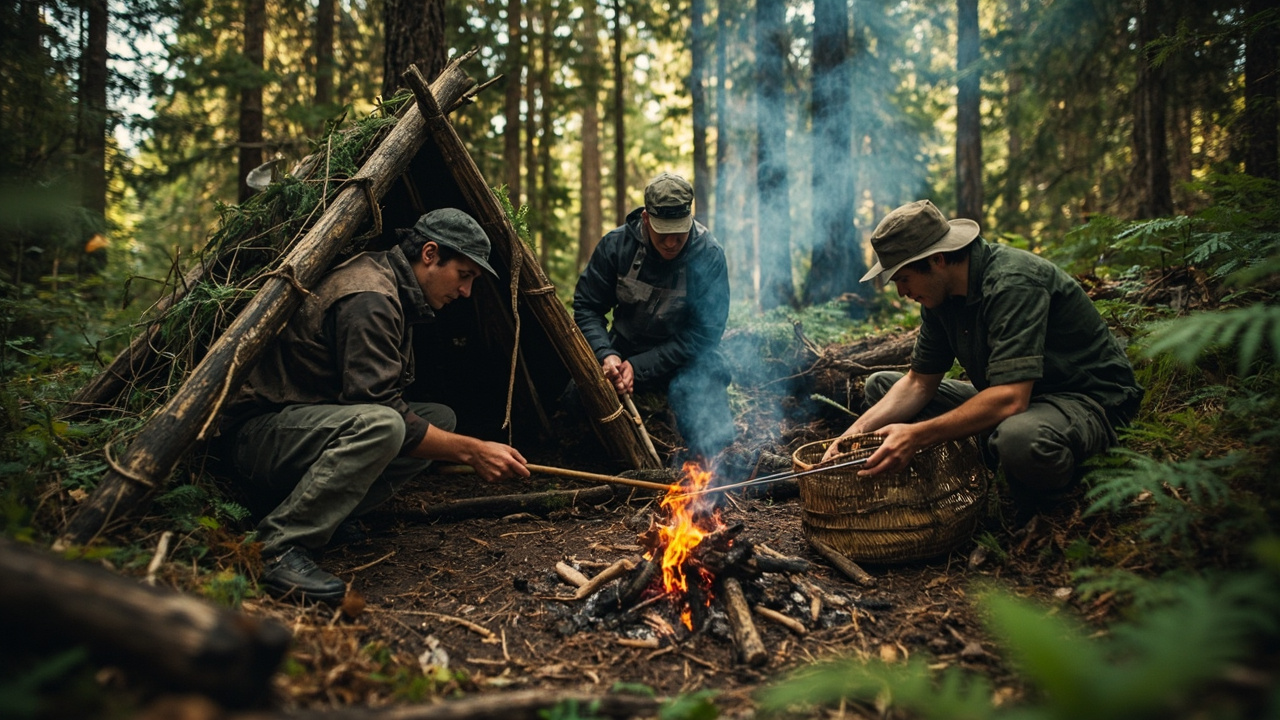
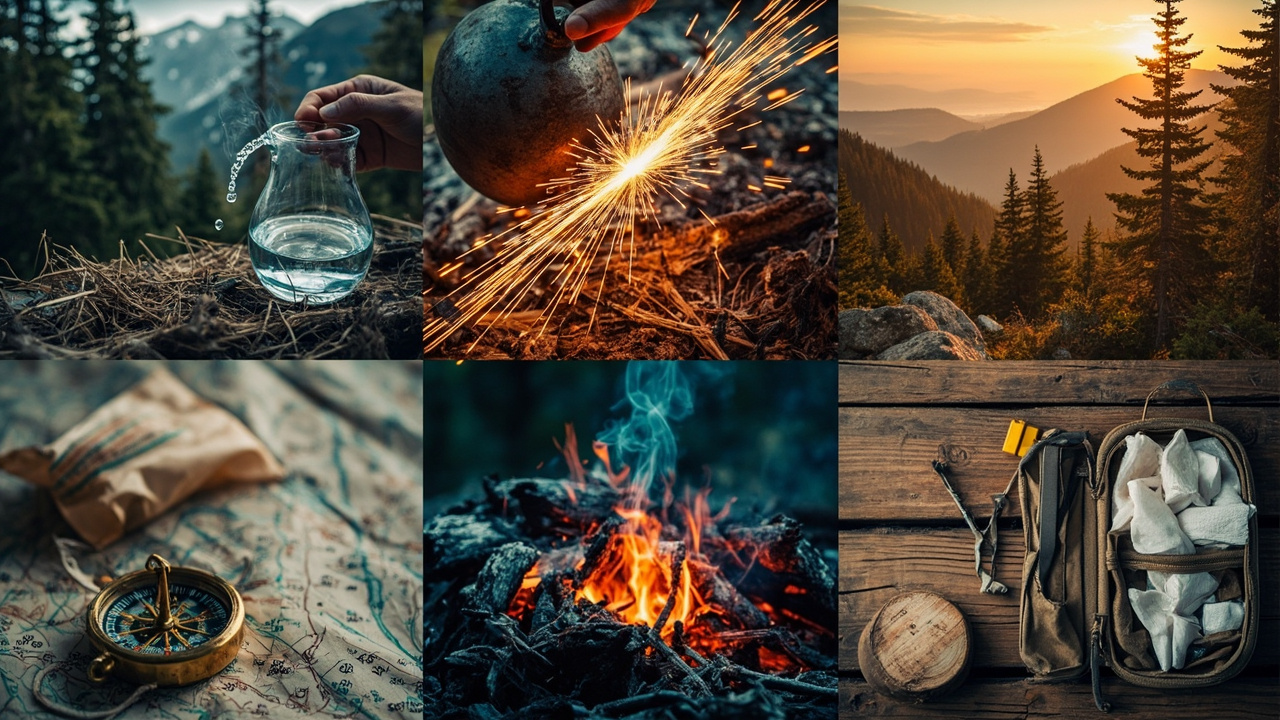
Fire-starting, water purification, navigation by map and compass, food storage rotation, and basic shelter-in-place protocols are skills that require practice, not just reading. Community organizations, local fire departments, CERT (Community Emergency Response Team) programs, and the American Red Cross all offer low-cost or free training.
5. Community Networks
Studies consistently show that social cohesion is one of the strongest predictors of disaster survival outcomes. Knowing your neighbors, having a neighborhood communication plan, and participating in local emergency preparedness exercises increase resilience more than any single piece of gear.
How to Close the Gap: Practical Steps Starting Today
This week: Inventory your home. Do you have the FEMA-recommended 72-hour kit? If not, build it. Walmart, Amazon, and most grocery stores stock every item on the list for under $150 total.
This month: Sign up for a first-aid/CPR course at your local Red Cross chapter (redcross.org) or community center. Check whether your county has a CERT program — most do, and training is free.
This quarter: Write and practice your household emergency plan. Sit down with every person in your household, walk through at least two scenarios (fire evacuation, shelter-in-place for severe weather), and update your out-of-area contacts.
Ongoing: Follow FEMA's Ready.gov, your local emergency management agency, and the National Weather Service for real-time alerts and updated guidance. Sign up for your county's Wireless Emergency Alert system if you have not already.
The Takeaway
No demographic has a monopoly on preparedness — or on unpreparedness. The research from The Sociological Quarterly and the Grist investigation published in 2025 both make clear that the gap between feeling ready and being ready is wide, and it runs across gender lines, age groups, and political identities. The households that survive disasters best are the ones that trained, stocked, planned, and practiced — long before the emergency arrived. Start today.