TL;DR: Texas opened FEMA Individual Assistance to July flood survivors on Oct. 30, 2026 — more than 100 days after the water rose — and survivors are now asking Governor-elect Gina Hinojosa to create a state long-term disaster relief fund.
On Oct. 30, 2026, Gov. Greg Abbott announced that the federal government had approved Texas' appeal for FEMA Individual Assistance, clearing eligible residents in 20 counties, including Kerr and Bexar, to apply for housing and repair help. KVUE's report put the approval more than 100 days after the July storms and flooding — a delay families spent in borrowed rooms, waiting on a decision.
Those families are now turning the wait into a policy demand. Liz Ayala, whose parents were pushed out of their Kerrville-area home, wants Texas to build a long-term disaster relief fund that can reach survivors faster than the federal process did.
What the Oct. 30 approval actually changed
Texas asked FEMA for Individual Assistance and was denied, according to KVUE. The state appealed through the Texas Division of Emergency Management, and the reversal followed an announcement from President Donald Trump that his administration would make additional FEMA relief available, according to the governor's Oct. 30 announcement.
"This brings essential financial assistance and services to eligible Texans in the 20 approved counties," Abbott said in that release.
The approved counties are Bandera, Bexar, Comal, Crockett, Dimmit, Frio, Gillespie, Kendall, Kerr, Kimble, Kinney, La Salle, Maverick, Medina, Real, Schleicher, Sutton, Uvalde, Val Verde and Zavala. A separate appeal for FEMA Hazard Mitigation grant funding was still pending when the state announced the approval.
What the program pays for — and what it does not promise
Individual Assistance can help with temporary housing, emergency home repairs, and uninsured or underinsured personal property losses, KVUE reported. The state's announcement adds disaster legal services, disaster unemployment assistance, and medical, dental and funeral expenses tied to the disaster.
One limit matters for household planning: approval of the state's appeal does not guarantee that an individual applicant receives money, KVUE reported. FEMA also advises homeowners and renters with insurance to file a claim with their carrier before applying for federal help, Texas Public Radio reported.
The deadline: Dec. 29, 2026
Applications close Dec. 29, according to Texas Public Radio and KENS 5. Residents can register at DisasterAssistance.gov, through the FEMA mobile app, or by calling 800-621-3362. The agency's helpline runs daily from 6 a.m. to 10 p.m. Central time, News 4 San Antonio reported.
In-person help is available at FEMA disaster recovery centers, where no appointment is required, KENS 5 reported. The Kerr County site is Calvary Temple Church, 3000 TX-534 Loop in Kerrville, open 8 a.m. to 6 p.m. Monday through Saturday. Bexar County residents can use the Las Palmas Branch Library at 515 Castroville Road in San Antonio. A center also opened in Uvalde at the Uvalde Multi-Purpose Community Health Center, 115 N. Ham Lane, News 4 San Antonio reported.
Staff at a center can check an application's status, explain FEMA correspondence, share housing and rental assistance information, and describe Small Business Administration programs, the Uvalde Leader-News reported. FEMA's line for accessibility accommodations or an ASL interpreter is 833-285-7448, per Texas Public Radio. KVUE notes that applicants should confirm current eligibility rules and deadlines rather than relying on secondhand summaries.
Inside one family's wait
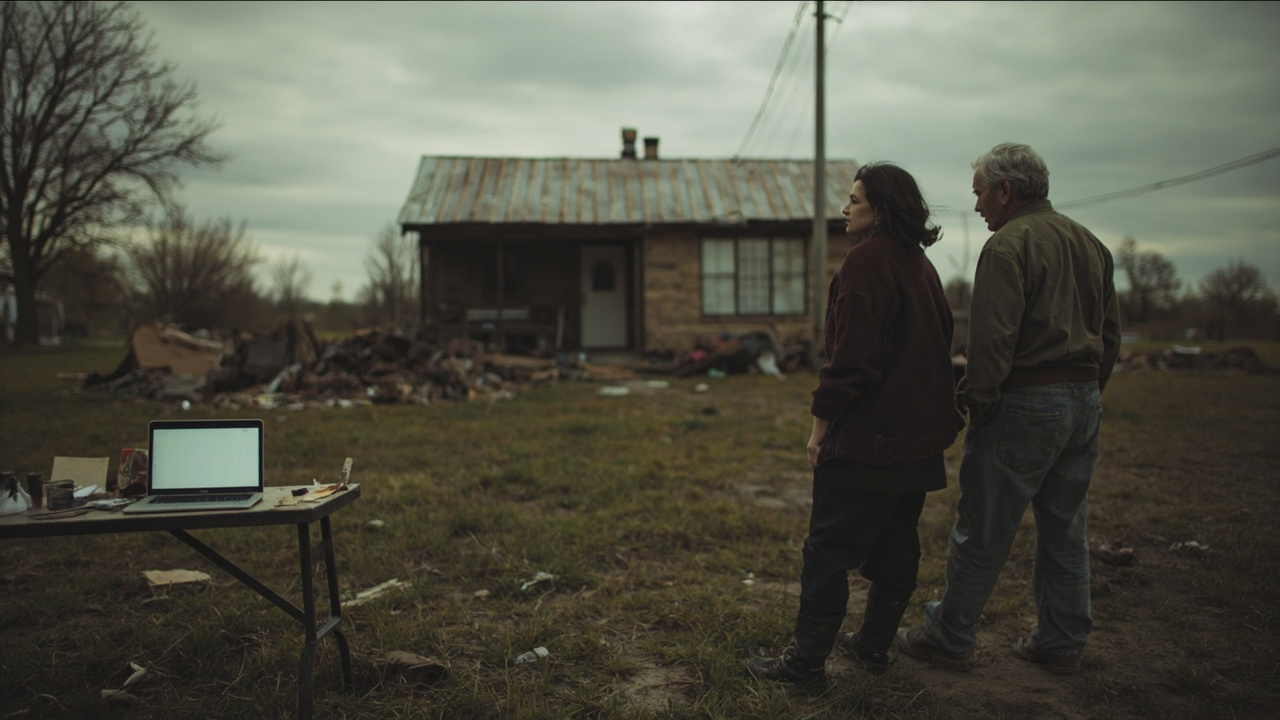
Ayala's family has called the Kerrville area home for more than 60 years, and her grandmother gave her parents the house they fled. The July floods forced them out, and they are staying with Ayala's sister while the family waits to learn whether the damaged house can be repaired and made safe to live in again.
"We still don't have a home to go to," Ayala said.
The family has submitted an application and is waiting for an inspection and a determination of what assistance it may qualify for, according to KVUE. Ayala described a recovery that has lost momentum: "Recovery is still slow. A lot of volunteers have left. The funds are still low."
She is a member of Rebuild: The National Disaster Survivors Association, and she has spoken for neighbors in Kerrville's Monterrey Street area who, she said, did not know where to turn for help.
Why survivors want a state fund, not just a FEMA application
Ayala wants Texas to establish a long-term disaster relief fund that could provide more immediate support to residents hit by future emergencies, so families are not spending weeks or months searching for answers in the middle of recovery, KVUE reported. Survivors, she has argued, should hold a direct role in shaping the policies and priorities that decide whether their communities come back.
The timing is deliberate. Governor-elect Gina Hinojosa takes office in January. KVUE contacted her team to ask about plans for long-term disaster recovery and had received no response at publication.
Ayala's immediate concern is narrower than policy. Her parents remain displaced, and the family still does not know how much federal assistance, if any, it will receive.
What households in the 20 counties should do now
- Confirm your county appears on the approved list of 20 before assuming eligibility.
- If you carry homeowners or renters insurance, file that claim first, then apply for FEMA help with losses the policy does not cover.
- Submit the application before the Dec. 29 deadline instead of waiting for a contractor's repair estimate.
- Visit a recovery center if the paperwork or FEMA letters are unclear, and use the helpline for status checks.
The longer fight is over what comes after this deadline. Hinojosa's team had not answered KVUE's questions about long-term recovery at publication, and for households the fixed date on the calendar is Dec. 29.