TL;DR
Critical evaluation of emergency planning advice is essential for preparedness. By auditing information from reputable sources, you can better secure your safety during disasters.
Understanding Emergency Planning Information
In an age overloaded with information, ensuring the credibility and utility of advice on emergency planning services can be overwhelming. According to a recent report by the Federal Emergency Management Agency (FEMA), nearly 60% of Americans do not have a plan for what to do in case of an emergency, highlighting the need for accessible, actionable advice. The National Institute of Standards and Technology (NIST) emphasizes that accurate information is crucial as it addresses a variety of disasters including natural hazards, technological emergencies, and terrorist threats.
As audience-driven publications like Lifeprepper evolve, understanding how to navigate their advice effectively is essential. This article will dissect strategies for auditing emergency planning advice from autonomous news sites, focusing on source credibility, fact-checking, and using actionable steps.
Evaluating Source Credibility
Identifying Reputable Sources
When it comes to emergency preparedness, not every source of information is created equal. Reliable sources tend to maintain transparency in their editorial standards and factual basis. Prominent sites like Lifeprepper, Ready.gov, and the American Red Cross are generally considered authoritative due to their consistent emphasis on research-based guidelines. But how can readers effectively discern credible advice?
- Look for credentials: Check the author's qualifications and experience in topics related to emergency management.
- Review affiliations: Credible articles often cite associations with recognized institutions like FEMA or the CDC.
- Assess recency: Emergency preparedness guidelines can change based on new information or technology. Use sources that are regularly updated to reflect current best practices.
For example, articles published on Ready.gov are frequently revised, ensuring that users receive the most current information available on disaster preparedness.
Checking Facts and Claims
Importance of Fact-Checking
Fact-checking plays a critical role in validating the advice provided across various autonomous news sites. According to a study by the Pew Research Center, nearly 64% of Americans believe it is essential to confirm facts before acting upon news and features, showcasing the need for precision in emergency advice.
In order to fact-check advice on emergency preparedness:
- Cross-reference information: Look for multiple sources that corroborate the same advice. If several reputable sites provide similar guidelines, the information is likely reliable.
- Use fact-checking tools: Websites such as Snopes and FactCheck.org can provide insights on the legitimacy of claims. Additionally, organizations like PolitiFact specialize in verifying emergency responses from public figures and agencies.
To illustrate, if an autonomous site suggests a specific product for emergency preparedness, verify its effectiveness through multiple sources or review user testimonials on platforms like Consumer Reports.
Analyzing the Recency and Context of Information
Why Timeliness Matters
Keeping abreast of the most recent guidance related to emergency preparedness is paramount. For instance, following Hurricane Katrina in 2005, emergency management protocols have evolved dramatically, leading to the establishment of new standards and practices.
Readers should always consider the date of publication and the timing of the information being presented. Recent events can significantly impact emergency procedures or recommendations. Therefore, always prioritize current resources, especially in rapidly changing scenarios like natural disasters or public health emergencies.
Seeking Local Context
Tailoring Preparedness to Locale
An autonomous site like Lifeprepper provides a nationwide scope of emergency preparedness advice, but local context cannot be ignored. Different regions face varying risks based on geography and climate. It’s crucial for readers to adapt advice to their specific environments.
- Understand local risks: Refer to state or local emergency management offices that typically offer tailored information based on geographical or climatic concerns. For instance, areas prone to earthquakes should follow different preparedness tips compared to regions that frequently experience hurricanes.
- Example Resources: Websites like Your Local Emergency Management Agency can provide crucial updates about specific risks and the best contact points for addressing them.
Implementing Actionable Steps
Applying Advice to Real Situations
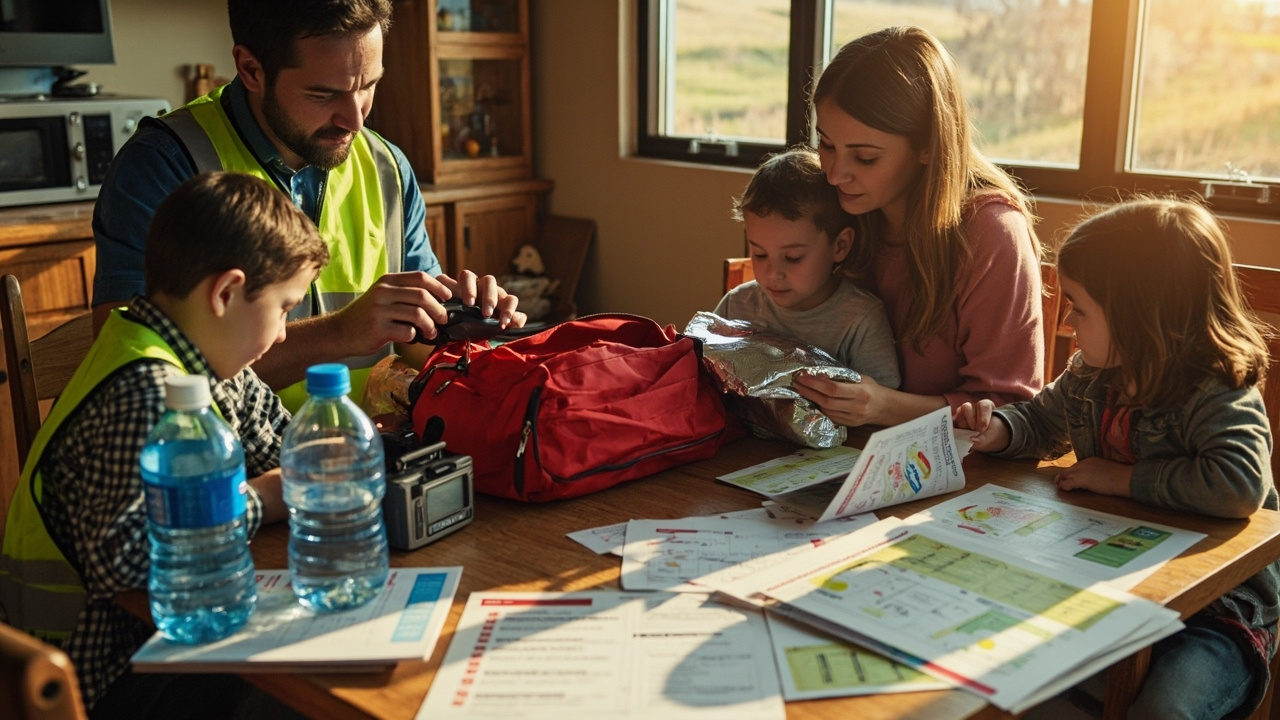
Once credible information has been determined, the final step is implementing actionable steps. The American Red Cross suggests establishing a family emergency plan, regularly scheduled drills, and maintaining an emergency kit as practical ways to utilize the advice.
- Emergency kits should include essential supplies such as non-perishable food, water, a flashlight, first aid items, and important documents.
- Drills should be practiced at least once a year to ensure all family members understand the protocol and feel empowered in emergencies.
Adapt these plans according to the advisories found in trusted resources while ensuring a community-oriented approach. Joining local groups focused on preparedness can enhance information access and networking opportunities for information and support.
Conclusion
In summary, auditing emergency planning advice from autonomous news sites like Lifeprepper requires diligence. By identifying credible sources, engaging in thorough fact-checking, assessing timeliness, localizing information, and implementing actionable steps, readers can significantly enhance their preparedness efforts. This method not only leads to increased safety but promotes an informed community ready to face emergencies head-on.
Key Takeaways
- Always evaluate the credibility of sources and check their affiliations before relying on emergency planning advice.
- Utilize fact-checking resources to validate claims and ensure information accuracy.
- Focus on the timeliness of information and adapt preparedness strategies to local conditions.
- Implement actionable preparedness steps derived from reputable advice, engaging your community where possible.
FAQ
Q: How do I determine if a piece of information is credible?
A: Check the author’s credentials, look for supportive references from recognized authorities, and ensure the information is recently published.
Q: Is it important for emergency preparedness information to be local?
A: Yes, localized advice takes into account specific threats in your region, making it more pertinent and effective.
Q: What should I include in an emergency kit?
A: Essentials like non-perishable food, water, a flashlight, first aid supplies, and copies of important documents are recommended.
Q: How frequently should I review my emergency plan?
A: It’s advisable to review and update your emergency plan at least once a year or after significant changes in your circumstances or environment.
Sources referenced
- FEMA: Prepare for an Emergency (https://www.fema.gov/emergency-preparedness) informed this article's reporting and source checks.
- National Institute of Standards and Technology: Emergency Management (https://www.nist.gov/topics/emergency-management) informed this article's reporting and source checks.